
 русский
 Español

Industry News
Key Switch/Power Lock Types Used in Electrical Equipment Power Management
Date:Apr 24, 2026
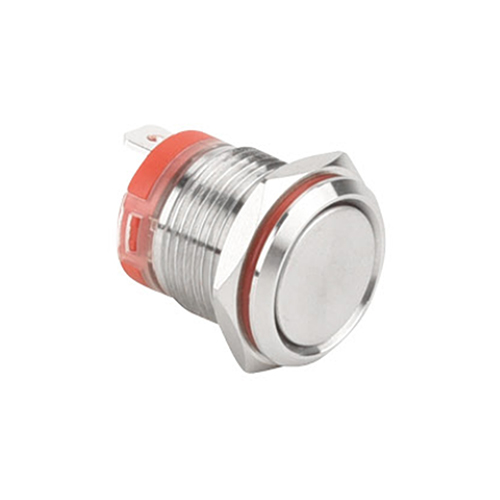
Electrical equipment often requires structured power control methods to manage different operating states. In many systems, a Key Switch/Power Lock is used as a physical switching device to control power access and operational permissions. Different types of key switches are designed to support varying control needs in power management applications, depending on system complexity and operational requirements.
Role in Power Management Systems
Power management systems are responsible for controlling how electrical energy is distributed and activated across equipment. In these systems, a key switch provides a physical method of controlling power flow, ensuring that activation is deliberate and authorized.
By requiring a physical key, the switch helps reduce unintended operation and supports structured control of electrical circuits. This makes it suitable for systems where controlled activation is required.
Basic Two-Position Key Switch
One of the most common types is the two-position key switch. This type typically controls simple ON and OFF states. It is widely used in basic power control applications where only activation and deactivation are required.
The operation is straightforward: inserting and turning the key changes the circuit state between open and closed. This type is often used in equipment where simple control logic is sufficient.
Three-Position Key Switch
The three-position key switch allows additional control states beyond simple ON and OFF. It may include an intermediate or standby position depending on system design.
This type is used in applications where multiple operation modes are required. For example, equipment may need standby, active, and shutdown states controlled through a single interface.
The additional position allows more flexible control of system behavior while maintaining physical authorization.
Momentary and Maintained Types
Key switches can also be classified based on operation behavior.
A momentary key switch returns to its original position after release. This type is often used in control systems where temporary activation is required.
A maintained key switch stays in the selected position until manually changed. This type is used in systems where continuous state control is needed.
The choice between these types depends on how the electrical system is designed to respond to user input.
Structural Variations
Key switches also differ in physical structure. Panel-mounted versions are commonly used in control interfaces and are installed directly into equipment surfaces.
Rotary key switches provide rotational control with defined positions and are often used in systems requiring multi-step operation.
Some heavy-duty versions are designed for environments where mechanical stress and frequent operation occur. These structures are built to maintain stable performance under demanding conditions.
Application in Electrical Equipment
In electrical equipment, key switches are used for controlling power distribution and operational modes. In power management systems, they may activate main circuits or control specific sections of equipment.
In some systems, they are used to isolate power during maintenance or inspection. This helps ensure that electrical energy is managed in a controlled and structured way.
In machinery environments, they are often used to control startup permissions, ensuring that equipment operates only under authorized conditions.
Selection Considerations
Choosing the appropriate type of Key Switch/Power Lock depends on several factors. Load requirements must be considered to ensure compatibility with system voltage and current levels.
Control logic requirements are also important. Systems with simple operation may only require two-position switches, while more complex systems may need three-position or maintained configurations.
Safety requirements also influence selection. Systems with higher operational risk may require more structured control types to ensure proper access management.
Integration with Power Systems
Key switches are often integrated into larger electrical control systems. They may work with relays, contactors, or programmable controllers, depending on system design.
In these configurations, the switch acts as a physical input that determines whether power circuits are enabled. This supports structured control logic and coordinated system behavior.
Installation Considerations
Proper installation is important for stable operation. Mounting position and panel layout should allow easy access while maintaining system organization.
Electrical compatibility must also be ensured. Incorrect matching of voltage or current levels may affect performance.
Environmental conditions such as vibration, dust, or moisture exposure should also be considered when selecting installation methods.
Functional Role in Power Management
A Key Switch/Power Lock provides structured control over electrical power systems. Different types support different operational needs, but all serve the same purpose of improving controlled access and system stability in electrical equipment environments.



Ready to experience the reliability and innovation of WANDU Electric switches?
© Zhejiang Wandu Electric Co., Ltd.
China Push-Button Switch
