
 русский
 Español

Industry News
High-Current Button Factory: The Backbone of Heavy-Duty Control
Date:Aug 07, 2026
You don't notice it. But every time you start a motor, turn on a machine, or activate a piece of equipment, you press a button. A high-current button is designed to handle serious electrical load. A high-current button factory produces these switches and buttons—the ones that carry the current, take the abuse, and keep working. They're not the buttons on your keyboard or the ones on your phone. These are the ones that start motors, control machinery, and keep industrial processes running.
What a High-Current Button Does
It switches high electrical loads safely
A high-current button is rated for high current and voltage. A high-current button factory produces buttons that are designed to handle the load without overheating. The rating is printed on the button or in the datasheet. The contacts are sized for the current they're switching. The button doesn't arc, doesn't weld shut, and doesn't fail.
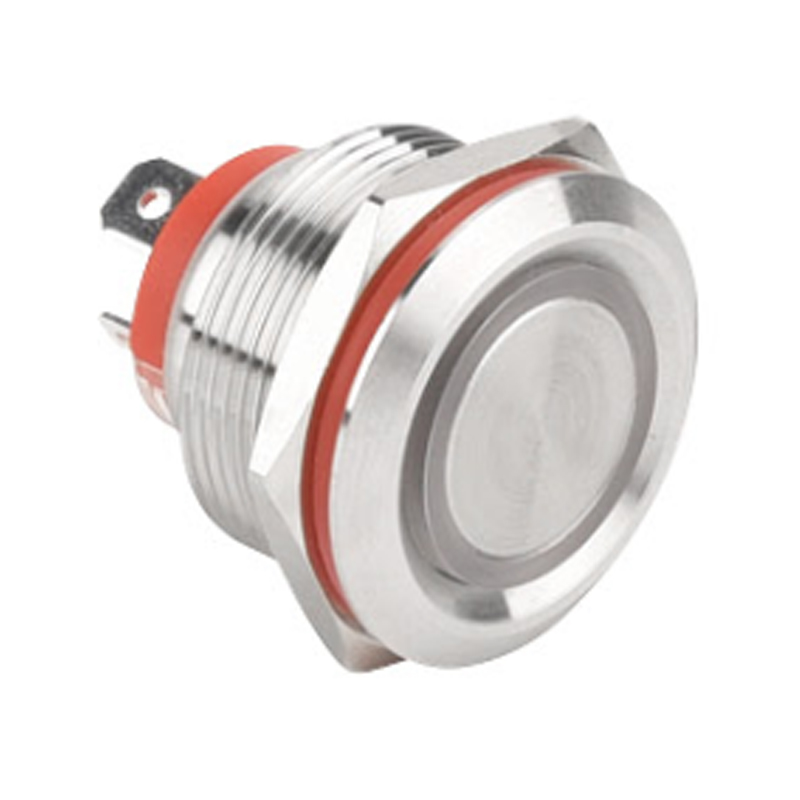
It handles inrush currents without welding contacts
Motors draw high current at startup—sometimes several times the running current. A high-current button factory produces buttons that can handle the startup surge. The contacts are designed to withstand the arc. The button is rated for motor starting applications. It doesn't weld shut on the first start.
It provides a manual interface the operator can trust
The operator presses the button. A high-current button factory produces buttons that are designed for manual operation—large actuators, tactile feedback, clear indication of state. The button stays pressed or returns to its rest position, depending on the design. The operator knows what the button is doing.
What Goes into a High-Current Button
The contacts carry the current and resist arcing
The contacts are the heart of the button. A high-current button factory uses contacts made from silver alloy or silver-cadmium oxide. These materials conduct well and resist the arc that forms when the circuit breaks. The contacts are sized for the load. They're designed to last.
The actuator has to be easy to press and find
The button has to be easy to press, even in a hurry. A high-current button factory produces buttons with large actuators that are easy to find and press. The actuator may be illuminated. The button is designed for quick, reliable operation. No fumbling. No missed presses.
The housing protects the internal components
The button is installed in industrial environments. A high-current button factory uses durable plastic or metal housings. The housing protects against dust, moisture, and impact. The button works reliably even in harsh conditions.
Common specs for high-current buttons:
- Current rating: 10A to 25A
- Voltage rating: up to 600V AC/DC
- Contact material: silver alloy, silver-cadmium oxide
- Actuator types: momentary, maintained
- Illumination: optional LED
- Housing: plastic, metal
- Protection: IP40 to IP67
Where High-Current Buttons Are Used
Motor control and power distribution
Motors need start and stop buttons. A high-current button factory supplies buttons that handle the motor current. Distribution panels also use them for switching power circuits. The button is used for on/off control. The operator presses the button to start or stop the motor.
Industrial machinery and automation
Machines need control buttons. A high-current button factory supplies buttons for machine operation—start, stop, reset, emergency stop. Conveyors and automated equipment also use them. The buttons are reliable and durable. They work when they're needed.
Material handling and heavy equipment
Cranes, hoists, and lift equipment use high-current buttons. A high-current button factory provides buttons for control and safety. The buttons are tested for operational reliability. They handle the vibration, the dust, and the constant use.
What to Look For
Current rating and inrush handling
The button has to handle the load. A high-current button factory prints the rating on the button. For motor loads, the button also needs to handle startup surge. The contacts don't weld shut. The button doesn't fail.
Contact material and protection rating
A high-current button factory uses silver alloy or silver-cadmium oxide contacts to resist arc damage. The housing should have an IP rating that matches the environment—IP40 for indoor, IP65 or IP67 for outdoor and washdown.
Actuator type and terminal connections
A high-current button factory offers momentary and maintained buttons. Momentary returns to rest. Maintained stays pressed. The terminals—screw, quick-connect, or solder—should match the wiring method. The connections have to be secure.
Reliability and certification
The button has to last. A high-current button factory tests for mechanical and electrical life. The button is tested to withstand a set number of operations. UL, CE, or CSA certification confirms compliance with safety standards.
A high-current button factory produces the switches that control industrial and commercial equipment. The contacts, the housing, and the actuator determine how well the button performs. Choose a factory with reliable materials, good design, and proper testing. That's what makes a button you can trust.



Ready to experience the reliability and innovation of WANDU Electric switches?
© Zhejiang Wandu Electric Co., Ltd.
China Push-Button Switch
