
 русский
 Español

Industry News
Metal Electrical Indicator Light: The Backbone of Clear Equipment Status Communication
Date:Jul 31, 2026
Industrial panels and commercial equipment need to communicate their operating status at a glance. Running. Idle. Fault. Power on. Without clear indicators, operators miss critical conditions and equipment suffers. A metal electrical indicator light delivers the bright, durable status signaling required for industrial environments. It provides a long-life LED or incandescent light source that remains visible in bright conditions. It offers rugged metal construction that withstands impacts and harsh environments. It makes equipment monitoring more reliable and operator response faster.
Why Status Indicators Are Essential for Equipment Operation
Indicator lights provide immediate visual status information
Operators need to know equipment status instantly. A metal electrical indicator light offers a clear, color-coded signal that shows the equipment's current condition. The operator sees the status at a glance. The response is immediate.
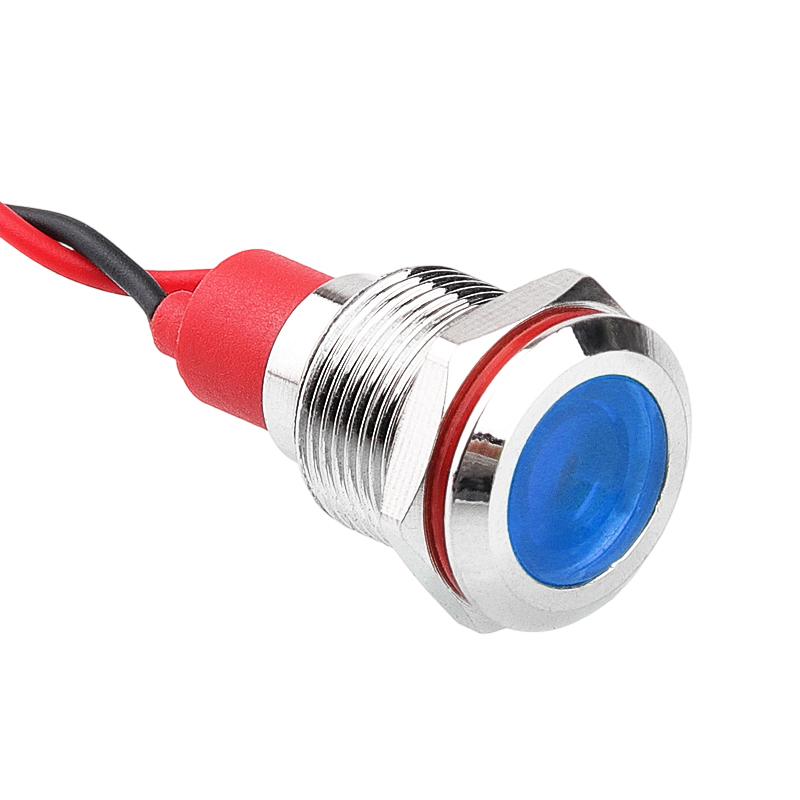
Indicators enable quick identification of faults and anomalies
Problems need rapid detection. A metal electrical indicator light changes color or flashes to alert operators to abnormal conditions. The problem is identified early. The equipment is protected.
Proper indication helps prevent operator error
Clear signals reduce mistakes. A metal electrical indicator light provides unambiguous status confirmation before operators take action. The operator is informed. The errors are avoided.
Construction Features of Metal Indicator Lights
The metal housing resists impacts and harsh conditions
Plastic indicator lights can crack or break in industrial settings. A metal electrical indicator light is constructed from stainless steel or brass, providing long-term durability. The housing is durable. The indicator lasts.
The lens is designed for high visibility in various lighting conditions
Visibility is critical in bright environments. A metal electrical indicator light features a lens shape and color that remains visible in different lighting. The signal is seen.
The indicator is sealed against dust and moisture
Industrial environments are harsh. A metal electrical indicator light is sealed with an IP rating to protect internal components. The indicator works in dusty and wet environments.
Typical specifications for metal electrical indicator lights:
- Light source: LED or incandescent
- Colors: red, green, yellow, blue, white
- Voltage: 6V to 240V AC/DC
- Mounting: panel mount, flush mount
- Material: stainless steel, brass, aluminum
- Protection rating: IP40 to IP67
- Lens style: flat, domed, or Fresnel
- Terminals: screw, solder, or quick-connect
Where Metal Indicator Lights Are Used</2h>
Industrial control panels
Panels display machine status and alarm conditions. A metal electrical indicator light is used for power, run, and fault indication. The panel is informative.
Machinery and equipment
Operators need to see machine status from a distance. A metal electrical indicator light is mounted on machine enclosures. The status is visible. The machine is monitored.
Process automation and instrumentation
Automated processes require status communication. A metal electrical indicator light indicates pump status, valve position, or system condition. The process is visible.
Power distribution and electrical enclosures
High-voltage equipment needs clear status indication. A metal electrical indicator light shows power presence or circuit condition. The enclosure is safe.
What to Look for in an Indicator Light
Brightness must be sufficient for the ambient light conditions
Indicator lights must be visible. A metal electrical indicator light should be selected for adequate luminance. The signal is seen.
Color selection must follow standard conventions
Standardization aids recognition. A metal electrical indicator light should use conventional colors: red for fault, green for run, yellow for standby. The status is interpreted quickly.
Protection rating should match the installation environment
Environmental conditions determine the IP rating required. A metal electrical indicator light should be selected with appropriate sealing. The indicator functions reliably.
Termination type should suit the wiring method
Correct connections are important for reliable performance. A metal electrical indicator light should be ordered with the appropriate terminal type for the equipment. The connections are secure.
A metal electrical indicator light makes equipment status visible and understandable. But it determines whether operators respond appropriately to equipment conditions or miss critical signals. It decides whether faults are detected early or allowed to escalate. Choose indicator lights with appropriate brightness, correct colors, suitable sealing, and compatible terminations. Your equipment will be better monitored. Your operators will have the information they need. That is the purpose of a metal electrical indicator light. To make equipment status clear.



Ready to experience the reliability and innovation of WANDU Electric switches?
© Zhejiang Wandu Electric Co., Ltd.
China Push-Button Switch
