
 русский
 Español


Industry News
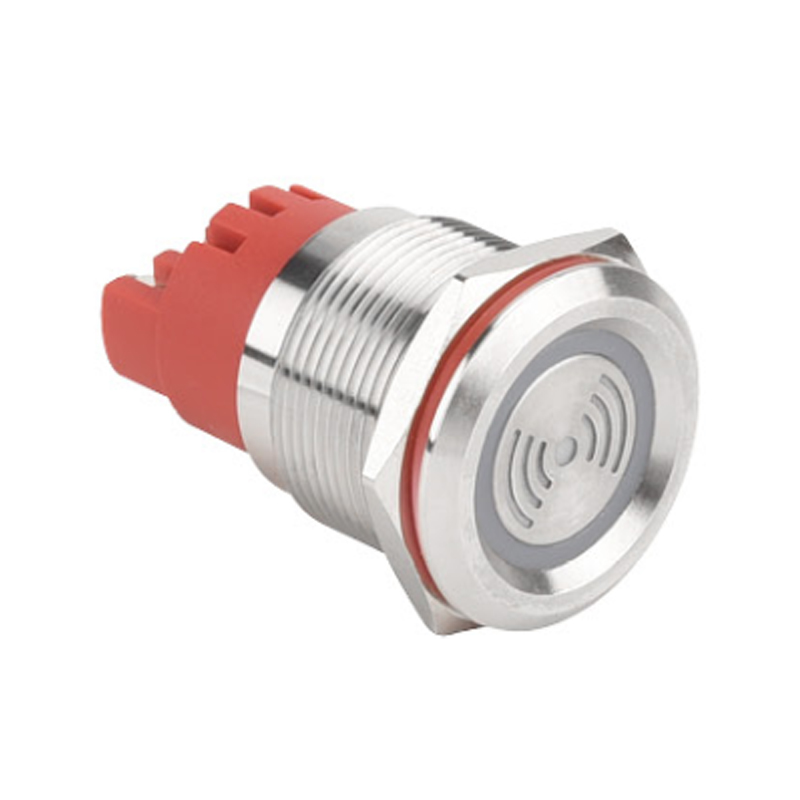
High-decibel Metal Buzzer: A Warning Light Nobody Looks At
Date:Oct 23, 2026
A warning light is easy to ignore. The operator is watching the work, not the panel. The high-decibel metal buzzer is what pulls the eyes over. On a factory floor, it has to be loud enough to beat the machines and tough enough to survive the panel it sits on. If it fails either job, the alarm is decoration.
Most buyers treat the buzzer as an accessory. They spend weeks on the breaker and the enclosure, then grab whatever audible device is on the shelf. That is where the trouble starts. A buzzer nobody hears is worse than no buzzer, because the panel looks like it has an alarm.
The Number on the Box
The rating is measured in a quiet room, at one meter, on axis. The real installation is none of those. The buzzer sits behind a closed panel door, next to the machine making the noise it is supposed to beat. At the operator's ear, the real loudness can be ten to twenty decibels lower than the datasheet.
That gap is why two buzzers with the same rating behave differently on the floor. One cuts through. The other does not. The difference is not the decibel figure. It is the tone, the frequency, the housing, and the mounting.
Why the Housing Is Metal
Plastic absorbs sound. Metal resonates. That is why the high-decibel units are steel or aluminum. The housing is not just a container. It is part of the sound.
The element vibrates a diaphragm. The diaphragm couples to the housing. A metal housing with the right mass and stiffness radiates that vibration into the air better than plastic. The difference is three to six decibels for the same element.
It also survives. A buzzer on a machine gets hit by wrenches, parts, and the occasional forklift. Plastic cracks and the sound goes dull. Metal dents and keeps working. The threaded body and the mounting nut hold it in the cutout through the vibration.
Here is what to check before buying:
- Decibel rating high enough for the actual room
- Tone that matches the alarm function
- Frequency that separates the buzzer from the machine noise
- Metal housing
- Voltage that matches the panel
- Ingress protection for the environment
Where the Buzzer Sits
Height matters. The ear is most sensitive around 2 to 4 kHz at head level. A buzzer at knee height on a machine base does not reach the ear the same way as one at shoulder height.
Direction matters. The buzzer radiates forward from the face. Pointing at the wall reflects the sound back into the panel. Pointing at the work area delivers it where the operator stands.
Where These End Up
Machine panels use them for faults and cycle-complete signals. Gates and doors use them for entry alarms. Fire panels use them for evacuation. Loading docks use them for reversing warnings. The overhead crane uses one so people below know it is moving. Each one needs a buzzer chosen for its own room.
None of those cost much. They are just decisions someone has to make before the panel ships.



Ready to experience the reliability and innovation of WANDU Electric switches?
© Zhejiang Wandu Electric Co., Ltd.
China Push-Button Switch
