
 русский
 Español

Industry News
Key Switch/Power Lock Applications in Machinery Access and Operation Control
Date:May 01, 2026
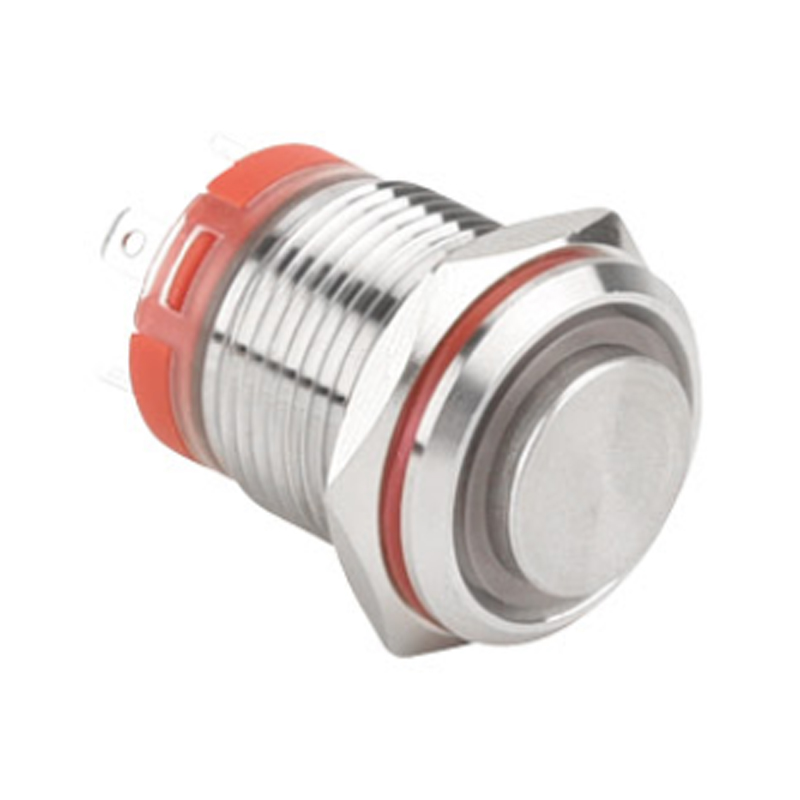
Industrial machinery systems often require structured methods to control operation access and ensure safe equipment usage. In many of these systems, a Key Switch/Power Lock is used as a physical control element that manages machine activation and access permissions. By combining mechanical key authorization with electrical switching, it supports controlled operation and reduces unintended machine use.
Role of Access Control in Machinery Systems
Machinery systems are frequently operated by multiple users across different shifts or roles. This makes access control an important part of system design. Without structured control, there is a higher chance of unintended activation or incorrect operation.
A key switch introduces a physical authorization step before machine operation can begin. Only users with the correct key can enable power or change operational modes. This helps ensure that machinery is used under proper conditions.
Machine Operation Control Function
In many machinery systems, operation is divided into stages such as startup, active running, and shutdown. A Key Switch/Power Lock can be integrated into these stages to control transitions between states.
For example, the switch may be required before startup is allowed. It can also be used to restrict operation during maintenance or setup conditions. This structured approach helps maintain consistent machine behavior.
The physical key requirement ensures that operation changes are intentional rather than accidental, supporting more controlled workflow management.
Safety-Oriented Applications
One of the key functions of a Key Switch/Power Lock in machinery systems is improving operational safety. By requiring physical authorization, the system reduces the likelihood of unintended machine activation.
During maintenance or inspection, the switch can help isolate machine operation. This reduces the risk of unexpected movement or electrical activation while work is being performed.
It also helps define clear responsibility for machine operation, since only authorized users can access the switching function.
Access Levels and Operation Permissions
Machinery environments often require different levels of access for different users. A key switch supports this structure by allowing only specific key holders to operate certain functions.
For example, general operators may have access to basic start and stop functions, while maintenance personnel may have access to additional control modes. This layered access structure helps maintain an organized system operation.
By separating operational permissions, the system reduces unnecessary interaction with critical machine controls.
Integration with Control Systems
Modern machinery often uses automated control systems such as relays, contactors, or programmable controllers. A Key Switch/Power Lock can be integrated into these systems as a physical input signal.
When the switch is activated, it can enable or disable certain machine functions through control logic. This allows mechanical authorization to work together with electronic automation.
In some systems, it is also combined with interlocking mechanisms or emergency stop circuits to improve operational coordination and safety structure.
Application in Different Machinery Types
Key switches are used in a wide range of machinery environments. In production equipment, they may control machine startup and shutdown sequences. In processing systems, they may regulate operational modes or processing stages.
In packaging and assembly machinery, they help manage access to automated functions, ensuring that machines operate only when conditions are appropriate.
In heavier mechanical systems, they may serve as primary power control points, helping manage energy flow and operational readiness.
Operational Benefits
A Key Switch/Power Lock helps reduce unintended machine activation by requiring physical input before operation. This makes system activation more deliberate and controlled.
It also supports a clearer operational structure. Since access is limited by key control, responsibility for machine operation becomes easier to define.
During maintenance, the switch can help maintain system isolation, reducing the possibility of unexpected activation while work is ongoing.
System Design Considerations
When integrating a key switch into machinery systems, placement and accessibility are important factors. The switch should be positioned for practical use while avoiding interference with other control elements.
Electrical compatibility is also necessary to ensure stable operation within the system’s voltage and control requirements.
Environmental conditions such as vibration, dust exposure, and temperature variation should also be considered during selection and installation.
Functional Role in Machinery Control
A Key Switch/Power Lock serves as both an access control device and a mechanical safety component in machinery systems. It helps ensure that machine operation is based on physical authorization and structured control logic, supporting safer and more organized industrial operation environments.



Ready to experience the reliability and innovation of WANDU Electric switches?
© Zhejiang Wandu Electric Co., Ltd.
China Push-Button Switch
