
 русский
 Español
Industry News
Modern Panel Designs Integrating Multi-Color LED Indicator Features
Date:May 08, 2026
Industrial control panels are becoming more compact and organized as automation equipment continues to evolve. Manufacturers are focusing on cleaner layouts, easier maintenance, and clearer equipment communication. In many modern systems, the Multi-Color LED Indicator has become an important component for improving machine visibility and operator interaction.
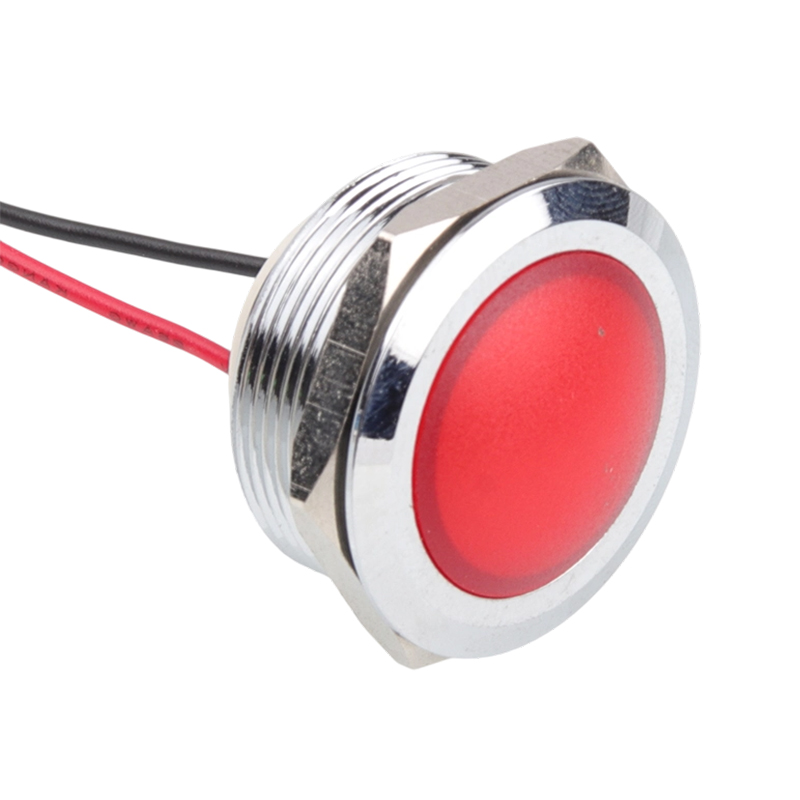
Traditional panels often used several single-color lights to show different machine conditions. This approach increased wiring complexity and occupied more panel space. As equipment structures become more integrated, designers are moving toward solutions that support multiple functions within limited installation areas.
Multi-color indicators allow several operating conditions to be displayed through a single lighting device. Different colors can quickly communicate machine status without requiring multiple separate indicators. This helps simplify panel structures while improving operational visibility.
Supporting Compact Equipment Layouts
Modern industrial equipment frequently includes additional sensors, communication modules, and automation components. As a result, available panel space has become more limited in many applications.
A multi-color indicator can reduce the number of panel openings and wiring connections needed during assembly. Instead of using separate red, green, and yellow lights, one indicator can manage several visual signals. This creates a cleaner appearance and supports more organized panel layouts.
Compact designs may also simplify installation and maintenance work. Organized cable arrangements can make inspection and troubleshooting easier for maintenance personnel. In busy production environments, a simplified panel structure may help reduce operational confusion.
Many factories now operate multiple automated systems at the same time. Operators often need to identify machine conditions quickly from a distance. Color-based indicators support faster visual recognition without requiring workers to examine detailed displays or labels.
Improving Equipment Status Visibility
Clear visual communication is important in industrial operations. Indicator lights help operators understand whether equipment is running normally, requires attention, or has encountered a fault condition.
Multi-color indicators are commonly used to display different operating states, including:
- Green for normal operation
- Yellow for warning conditions
- Red for faults or shutdown situations
This visual system supports faster responses during production activities. In environments where machines generate significant noise, visual signals can become especially important because audible alarms may not always be easily noticed.
Some indicator systems also support flashing patterns or adjustable brightness levels. These functions help distinguish between different machine conditions and improve visibility under various lighting environments.
As industrial automation expands, the demand for clear machine-to-operator communication continues to grow. Multi-color indication systems provide a practical method for simplifying status displays while supporting efficient monitoring.
Integration with Automation Systems
Modern industrial equipment is increasingly connected to programmable controllers and monitoring systems. Multi-color indicators can work together with these automation technologies to provide real-time visual feedback.
Color changes may be linked to machine conditions, maintenance reminders, or production status updates. This allows operators to identify system changes quickly during daily operations.
Some automation systems also allow programmable color settings. Users can customize indicator behavior according to operational requirements or workflow preferences. This flexibility supports different industrial applications and equipment designs.
In smart manufacturing environments, visual indicators often work alongside digital monitoring systems. While remote platforms provide detailed operational data, local indicators continue to play an important role in immediate equipment recognition.
Durability for Industrial Environments
Industrial environments may expose equipment to dust, vibration, humidity, and temperature variation. Indicator components used in these conditions must support stable operation over long periods.
Many multi-color indicators are designed with protective structures suitable for demanding environments. Waterproof and dust-resistant designs are commonly used in outdoor systems, automated machinery, and processing equipment.
Brightness stability is another important factor. Operators need to recognize machine status clearly in both indoor and outdoor environments. Long operating life can also help reduce maintenance frequency and support continuous production activities.
As industrial systems continue to develop, organized panel layouts and clear visual communication remain important design priorities. Multi-color indicators support these goals by combining compact design with practical status display functions.



Ready to experience the reliability and innovation of WANDU Electric switches?
© Zhejiang Wandu Electric Co., Ltd.
China Push-Button Switch
