
 русский
 Español

Industry News
Touch Pushbutton Switches: The Backbone of Modern User Interfaces
Date:Jul 24, 2026
Sleek equipment design increasingly favors touch-sensitive controls over mechanical buttons. Consumer electronics. Medical devices. Smart home systems. Commercial appliances. Without reliable touch interfaces, modern products feel outdated. Touch pushbutton switches deliver the elegant, wear-free control that designers and users prefer. They detect the presence of a finger without any moving parts. They offer a flat, easy-to-clean surface that integrates seamlessly into panels. They make human-machine interaction more intuitive and product designs more sophisticated.
How Touch Sensors Detect User Input
Capacitive sensing detects the electrical change from a finger touch
The human body conducts electricity. A touch pushbutton switch uses capacitive technology that senses the tiny change in electrical charge when a finger approaches the sensor. The circuit registers the touch. The device responds. The user experiences instant feedback.
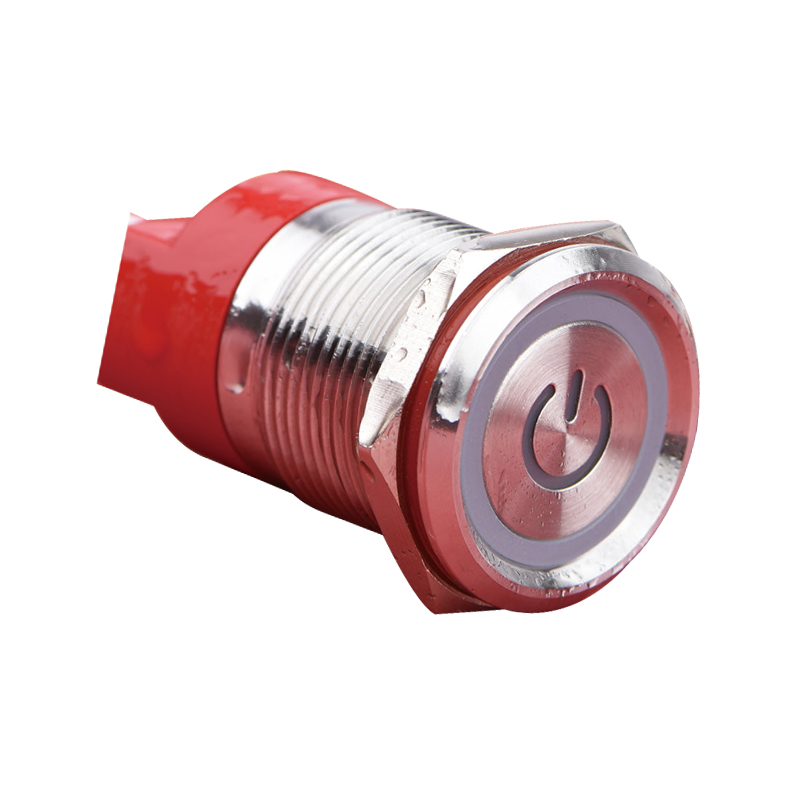
The sensor ignores non-conductive objects
Accidental activation is a concern. A touch pushbutton switch is designed to respond only to conductive objects like human skin. The switch ignores casual contact. The user controls the device intentionally.
Software can be used to filter out false triggers
Reliability depends on accurate detection. A touch pushbutton switch uses algorithms that distinguish between intentional touches and environmental noise. The switch triggers only when intended. The user has confidence in the interface.
Design Features of Touch Pushbutton Switches
The sensor surface is flat and seamless
A flush surface simplifies cleaning and improves aesthetics. A touch pushbutton switch is mounted flush with the panel surface. Dirt and moisture have no edges to collect. The surface is easy to wipe clean.
LED illumination provides visual feedback
Users need confirmation that their touch was registered. A touch pushbutton switch often includes an LED indicator that changes color or lights up when the switch is activated. The user knows the action was received. The feedback is immediate.
The switch operates without moving parts
Mechanical switches wear out over time. A touch pushbutton switch has no moving parts to degrade. The switch lasts longer. The reliability is improved.
Typical specifications for touch pushbutton switches:
- Technology: capacitive touch sensing
- Voltage: 3V to 24V DC
- Current rating: low current, suitable for logic circuits
- Output type: digital or analog signal
- Illumination: LED ring or backlight
- Mounting: panel mount, surface mount
- Material: glass, polycarbonate, or other non-conductive surfaces
- Protection: IP67 or IP68
Where Touch Pushbutton Switches Are Used
Consumer electronics and home appliances
Modern devices demand clean interfaces. A touch pushbutton switch is used for power and function control on products that need a sleek appearance. The interface is attractive and responsive.
Medical and laboratory equipment
Hygiene is essential in healthcare settings. A touch pushbutton switch offers a smooth surface that is easy to sterilize. The switch is safe. The equipment stays clean.
Smart home and building automation
Automation systems need simple controls. A touch pushbutton switch is used for lighting control, scene selection, and system activation. The interface is user-friendly.
Commercial and industrial appliances
High-use environments benefit from reliability. A touch pushbutton switch offers long-term durability without mechanical wear. The device is dependable.
What to Consider When Selecting Touch Switches
Sensitivity must be adjusted for the operating environment
Environmental factors can affect performance. A touch pushbutton switch should have adjustable sensitivity to compensate for humidity or temperature variations. The switch operates consistently.
The surface material must be suitable for touch detection
Material properties affect performance. A touch pushbutton switch should be considered in the context of the panel material chosen. The detection is reliable.
LED brightness must be appropriate for the setting
Visibility depends on lighting. A touch pushbutton switch should have LED illumination that is visible in the expected ambient light conditions. The feedback is clear.
Feedback options should align with user expectations
Users appreciate response confirmation. A touch pushbutton switch should provide visual or audible feedback when activated. The user is satisfied.
A touch pushbutton switch gives designers the flexibility to create sleek, modern interfaces while providing reliable operation. But it determines whether a product feels advanced or dated. It decides whether users interact with confidence or frustration. Choose switches with appropriate sensitivity, compatible surface materials, visible feedback, and durable construction. Your products will be more appealing. Your users will be more satisfied. That is the purpose of a touch pushbutton switch. To bring intuitive, wear-free control to modern equipment.



Ready to experience the reliability and innovation of WANDU Electric switches?
© Zhejiang Wandu Electric Co., Ltd.
China Push-Button Switch
