
 русский
 Español
Industry News
High-Current Button Applications in Industrial and Power Systems
Date:Feb 20, 2026
Expanding Control Needs in Modern Systems
High-Current Button components are widely applied across industrial and power systems where electrical loads require consistent and reliable control. These buttons are used in applications where standard switches may not provide sufficient durability or stability due to higher electrical demand. As industrial processes and energy systems become more complex, dependable control elements play a key role in operational efficiency and safety.
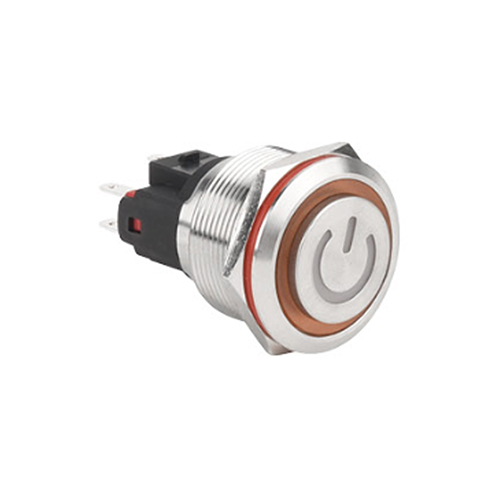
Industrial and power environments often subject control interfaces to frequent usage, variable loads, and challenging conditions such as vibration, dust, and temperature variation. Selecting the right control button is essential to ensure predictable system behavior and to support long-term reliability.
Industrial Applications
1. Industrial Control Panels
Within industrial control panels, high-current buttons are used to manage equipment operation, including start-up, shutdown, and functional adjustments. These buttons help operators interact with machinery reliably, especially in environments where electrical loads are substantial and frequent actuation is required.
Control panels incorporating high-current buttons benefit from steady performance, ensuring that input from operators consistently translates into system response, thereby reducing operational interruptions.
2. Automated Machinery
In automated machinery, control buttons may serve as safety overrides or manual control points for high-power components. The high-current capability ensures that the control interface can handle electrical stress without compromising system operation or safety.
By integrating high-current buttons into automated systems, designers can achieve reliable manual intervention without reducing the operational efficiency of automated processes.
3. Heavy Machinery and Production Lines
High-current buttons are also suited for heavy-duty production environments where repeated actuation and high electrical loads are common. These buttons maintain consistent contact and conduction characteristics over many operational cycles, supporting steady machine performance and reducing maintenance needs.
Applications in Power Systems
1. Power Distribution Systems
Power distribution equipment often requires direct human control to manage circuits that handle significant electrical flow. High-current buttons provide a robust solution for activating or deactivating circuits in these contexts, maintaining reliability even under demanding conditions.
The use of suitable control interfaces contributes to the safe operation of complex electrical distribution networks and reduces the potential for unexpected interruptions.
2. Energy Management and Monitoring Systems
Energy management systems, including distributed power and storage solutions, often feature multiple control points that require precise interaction. High-current buttons allow for stable and consistent control in scenarios where load variations occur or switching must happen frequently.
Their design ensures a predictable response, which is important when managing energy distribution across multiple systems or subsystems.
Environmental and Operational Considerations
High-current buttons are often used in environments exposed to dust, vibration, or temperature changes. Selection must consider these conditions to prevent degradation of electrical performance or mechanical wear.
Proper mounting, wiring, and protection help preserve the operational integrity of high-current buttons, ensuring that the control interface continues to provide reliable performance over time.
Benefits Across Applications
By implementing high-current buttons in industrial and power systems, operators can achieve several key advantages:
- Reliable conduction under elevated electrical load
- Consistent performance over repeated usage
- Reduced maintenance needs due to durable construction
- Steadier system behavior in demanding operational conditions
These benefits contribute to overall system stability, making high-current buttons an essential element for both industrial machinery and energy systems.
Supporting Reliable Industrial and Power Operations
High-current buttons serve as critical control elements in a variety of industrial and power applications. Their ability to manage significant electrical loads while maintaining consistent performance makes them suitable for control panels, automated machinery, heavy production environments, and energy systems.
By carefully selecting and integrating these buttons, engineers and system designers can improve reliability, reduce operational risks, and support the safe and steady operation of industrial and power systems.



Ready to experience the reliability and innovation of WANDU Electric switches?
© Zhejiang Wandu Electric Co., Ltd.
China Push-Button Switch
