
 русский
 Español

Industry News
High-Current Button Safety Considerations for High Current Loads
Date:Feb 13, 2026
Safety as a Core Requirement in High Current Systems
High-Current Button components are frequently used in electrical systems where high current loads are present and operational safety is a constant concern. In such systems, control interfaces are not only responsible for managing power flow but also for supporting safe interaction between users and equipment. When electrical loads increase, the margin for error narrows, and safety considerations become a central part of system design.
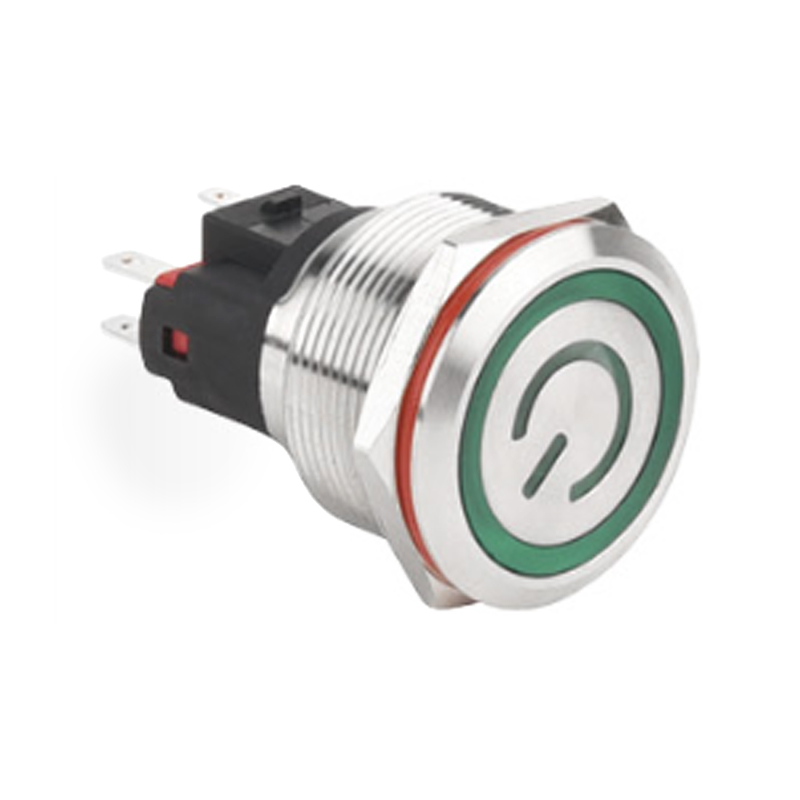
High current environments place unique demands on control elements. Heat generation, contact wear, and electrical stress can influence how safely a system operates over time. Understanding the safety considerations associated with high-current buttons helps system designers reduce potential risks while maintaining reliable control.
Heat Accumulation at Contact Points
One of the primary safety concerns in high-current circuits is heat accumulation. As electrical current passes through contact interfaces, resistance can cause localized heating. If this heat is not managed appropriately, it may affect surrounding materials or reduce component lifespan.
Control buttons used in high-current applications must therefore support stable conduction and controlled thermal behavior to reduce the likelihood of overheating during normal operation.
Electrical Arcing During Switching
Switching actions in high-current circuits may introduce electrical arcing at the moment of contact engagement or separation. Arcing can gradually degrade contact surfaces and introduce unpredictable electrical behavior. Over time, this may increase maintenance requirements or affect operational consistency.
High-current buttons are designed with contact structures that help manage switching behavior, supporting safer transitions between states.
Mechanical Stress and Long-Term Wear
In many applications, control buttons are operated repeatedly throughout their service life. Mechanical wear combined with electrical stress can influence both performance and safety. A worn control interface may respond inconsistently, increasing the chance of unintended operation.
Ensuring that control components are suitable for expected usage patterns is an important part of safety planning.
Contact Structure and Material Interaction
Safety-focused high-current buttons emphasize stable contact alignment and controlled engagement. These design elements help maintain predictable electrical behavior during operation and reduce irregular current flow that could introduce hazards.
Material interaction at the contact surface also plays a role in maintaining consistent conduction and reducing long-term degradation.
Insulation and Structural Integrity
In high current environments, insulation quality and structural stability influence how safely a control button operates. Proper insulation helps prevent unintended current paths, while a robust structure supports consistent alignment under mechanical stress.
Together, these features contribute to safer operation in demanding electrical systems.
Installation and Usage Considerations
1. Proper Matching with System Requirements
Selecting a High-Current Button that aligns with system requirements is a fundamental safety step. Applying a control component outside its intended operating range may increase the risk of overheating or inconsistent behavior.
System designers should evaluate how the button will be used within the circuit, including switching frequency and environmental exposure.
2. Correct Wiring and Mounting Practices
Installation quality directly affects safety performance. Secure wiring connections and proper mounting help maintain stable electrical pathways and reduce the chance of unintended resistance or vibration-related issues.
Clear installation practices also support easier inspection and maintenance throughout the system’s service life.
3. Maintenance and Ongoing Safety Awareness
Even when properly selected and installed, control components benefit from periodic inspection. Visual checks for wear, secure connections, and consistent operation help identify potential issues before they affect system safety.
By treating the control interface as part of the overall safety strategy, organizations can reduce unexpected interruptions and maintain steady system behavior.
Building Safer High Current Control Systems
Safety in high current load applications depends on careful component selection, thoughtful system design, and consistent maintenance practices. Control buttons play a direct role in how safely users interact with electrical equipment.
High-Current Button solutions address safety challenges by supporting stable electrical behavior, controlled switching, and reliable operation over time. When integrated correctly, they contribute to safer and more predictable high-current systems.



Ready to experience the reliability and innovation of WANDU Electric switches?
© Zhejiang Wandu Electric Co., Ltd.
China Push-Button Switch
