
 русский
 Español

Industry News
High-Current Button Performance in High Load Control Circuits
Date:Feb 06, 2026
Control Challenges in High-Load Electrical Systems
High-Current Button components are widely used in high-load control circuits where stable electrical performance is required under sustained operating conditions. In many industrial and power-related systems, control interfaces are expected to manage significant electrical loads while maintaining predictable behavior. When standard control elements are applied in these environments, performance limitations may emerge over time.
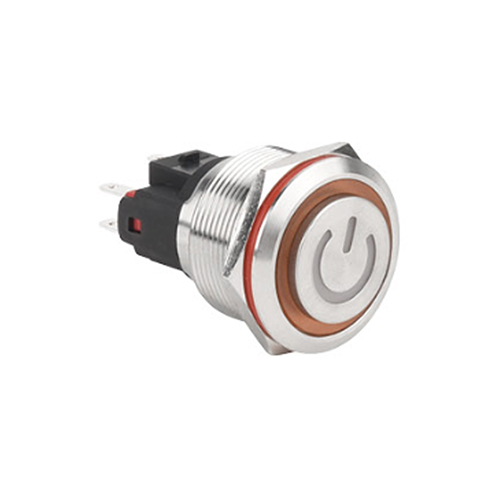
High load circuits often involve continuous operation, frequent switching, or demanding environmental conditions. In such cases, the performance of the control button directly influences how smoothly the system operates. Understanding how high-current buttons perform in these circuits helps engineers and system designers make informed decisions when developing reliable electrical solutions.
Characteristics of High Load Control Circuits
High load control circuits are designed to support equipment that draws substantial electrical power during operation. These circuits are commonly found in automated machinery, power distribution equipment, and energy management systems. Compared to low-load circuits, they place greater stress on electrical contacts due to prolonged current flow and repeated actuation.
In these environments, heat generation, contact wear, and electrical stability become important considerations. Control components must be capable of maintaining consistent conduction without introducing excessive resistance or instability. A button used in a high-load circuit is therefore more than a simple input device; it becomes part of the system’s electrical pathway.
Key Performance Factors of High-Current Buttons
1. Electrical Consistency During Operation
One of the primary performance requirements for a High-Current Button is consistent electrical behavior during both activation and sustained conduction. Irregular contact engagement can lead to fluctuations in current flow, which may affect connected equipment.
Buttons designed for higher current environments are structured to support smooth engagement and disengagement, helping maintain steady electrical conditions throughout operation.
2. Contact Resistance and Heat Behavior
Contact resistance plays a significant role in high-load circuits. As current passes through contact points, resistance can generate heat that influences surrounding components. Over time, unmanaged heat may contribute to material degradation or reduced reliability.
High-current buttons are developed with attention to contact structure and material interaction, supporting controlled heat behavior that aligns with long-term system operation.
Durability Under Repeated Switching
Many high-load systems require frequent manual or mechanical switching. Repeated actuation places stress on both mechanical and electrical elements of a control button.
A button intended for high-current use must maintain reliable performance over repeated cycles, ensuring that actuation force, contact alignment, and electrical response remain consistent throughout its service life.
Performance in Practical Applications
1. Continuous Load Conditions
In applications where equipment operates for extended periods, control components remain energized for long durations. Under these conditions, electrical stability becomes essential. A High-Current Button used in continuous load circuits must support uninterrupted current flow without introducing instability or unexpected variation.
Such performance contributes to smoother system operation and reduces the likelihood of interruptions caused by control interface limitations.
2. Intermittent Switching Scenarios
Some high-load circuits involve intermittent operation, where switching occurs at regular or irregular intervals. These transitions can introduce electrical stress at the contact points.
Buttons designed for high-current environments are intended to manage these transitions with controlled engagement, supporting reliable switching behavior even when operating patterns vary.
3. Impact on System Reliability
Although control buttons represent a small portion of an electrical system, their influence on overall reliability is significant. Inconsistent performance at the control interface can affect system responsiveness, increase maintenance demands, or contribute to unexpected downtime.
By maintaining stable electrical characteristics, High-Current Buttons support predictable system behavior. This predictability allows engineers to design systems with clearer expectations regarding long-term operation and maintenance planning.
Integration and Selection Considerations
Selecting a suitable control button for a high-load circuit requires an understanding of system requirements rather than relying solely on general appearance or basic specifications. Factors such as operating environment, switching frequency, and installation conditions all influence performance outcomes.
Integration with surrounding components, including wiring and enclosures, also affects how well the button performs within the system. Proper alignment between the control element and the overall circuit design supports consistent operation.
Supporting Reliable High Load Control
High load control circuits require control components that can operate reliably under sustained electrical stress. Ordinary buttons may struggle to meet these demands when applied outside their intended range.
High-Current Button solutions address these challenges by focusing on consistent electrical behavior, controlled heat characteristics, and dependable operation over time. When appropriately selected and integrated, they contribute to stable performance in electrical systems where reliability is essential.



Ready to experience the reliability and innovation of WANDU Electric switches?
© Zhejiang Wandu Electric Co., Ltd.
China Push-Button Switch
