
 русский
 Español

Industry News
High-Current Button vs Standard Switches: What’s the Difference
Date:Feb 24, 2026
Comparing Control Interfaces in High Current Applications
High-Current Button devices differ from standard switches in their design, performance, and suitability for applications that involve substantial electrical loads. While both types of components serve as control interfaces, high-current buttons are engineered to handle increased electrical stress and repeated actuation in demanding systems. Understanding these differences is essential for selecting the right component for industrial, power, or automated applications.
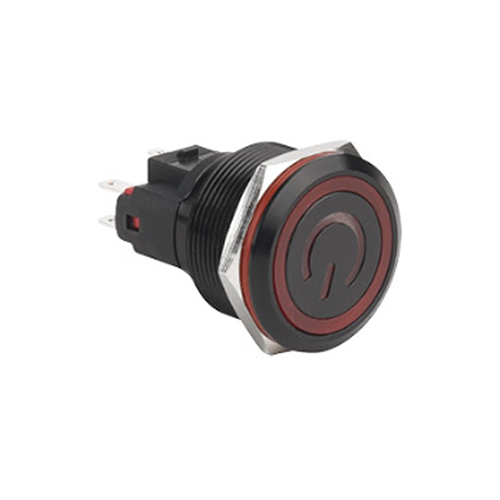
Control interfaces are not just passive elements; they influence how electrical systems respond to user input and operational demands. Applying a standard switch in a high-current context may result in inconsistent operation, heat generation, or accelerated wear, whereas a high-current button is specifically designed to maintain reliable performance under similar conditions.
Structural Differences Between High-Current Buttons and Standard Switches
1. Contact Design
The internal contact configuration is a primary distinction. Standard switches are typically suitable for lower current loads, with contact points designed to conduct moderate electrical flow. High-current buttons incorporate contact structures that maintain stability under higher current levels, helping to reduce the risk of uneven conduction or contact degradation.
This design difference ensures that high-current buttons can support more demanding operational conditions while maintaining predictable performance over time.
2. Mechanical Construction
High-current buttons are built with mechanical durability in mind. Their construction supports repeated actuation without compromising contact alignment, whereas standard switches may experience deformation or wear under similar stress.
Durable construction contributes to the consistent engagement and disengagement of the control interface, which is critical in systems with frequent operation or high electrical load.
3. Current Handling Capacity
Standard switches often perform adequately in circuits with lower current demand but may face limitations when used in high-load environments. Exceeding the intended electrical capacity of a standard switch can lead to increased resistance, heat accumulation, and reduced reliability.
High-current buttons are designed to handle elevated current levels without introducing instability, ensuring that the system operates smoothly under heavy electrical stress.
4. Switching Behavior and Electrical Stress
Switching transitions can generate electrical stress, especially in high-current circuits. Standard switches may not manage these transitions efficiently, potentially leading to contact wear or inconsistent performance. High-current buttons are engineered to manage switching transitions effectively, providing controlled engagement and disengagement even under challenging electrical conditions.
This capability contributes to steadier circuit behavior and reduces the risk of unplanned interruptions.
Typical Use of Standard Switches
Standard switches are often used in low-load applications where electrical current is modest, and actuation frequency is limited. These environments may include consumer electronics, low-power machinery, or basic control panels that do not experience sustained high current flow.
In these scenarios, standard switches provide adequate performance without the need for high-current engineering features.
Scenarios Where High-Current Buttons Are Preferable
High-current buttons are better suited for environments where electrical loads are substantial, operation is frequent, or conditions are more demanding. Applications may include industrial machinery, power distribution systems, automated production lines, and energy management solutions.
Their design supports reliable operation under sustained stress and helps maintain consistent electrical behavior in circuits that challenge standard switches.
Factors to Consider When Choosing a Control Interface
Selecting between a high-current button and a standard switch requires careful evaluation of system requirements. Engineers should consider:
- Expected electrical load and current levels
- Frequency of actuation or switching cycles
- Environmental conditions, such as vibration, dust, and temperature fluctuations
- Integration with other components in the system
Matching the control interface to these factors ensures steady performance and reduces the likelihood of maintenance issues or operational interruptions.
Impact on System Reliability
The choice of control interface directly affects system reliability. Using a standard switch in a high-current environment may compromise performance, leading to unpredictable behavior or additional wear on electrical components. Conversely, a high-current button provides stable performance, supporting operational continuity and predictable system responses.
By selecting the appropriate control element, designers can improve overall system performance, reduce downtime, and maintain consistent operation across demanding applications.
Understanding Differences to Make Informed Decisions
High-current buttons and standard switches serve different purposes in electrical systems. While both provide control functionality, high-current buttons are designed to handle elevated electrical loads, frequent operation, and more demanding environmental conditions.
Understanding these differences allows engineers and system designers to make informed choices that support reliable, safe, and consistent operation. High-current buttons contribute to steadier system behavior, reduced maintenance requirements, and better alignment with the demands of industrial and power applications.



Ready to experience the reliability and innovation of WANDU Electric switches?
© Zhejiang Wandu Electric Co., Ltd.
China Push-Button Switch
