
 русский
 Español
Industry News
How to Choose a Multi-Color LED Indicator for Industrial Equipment
Date:May 29, 2026
Selecting Suitable Indicators for Industrial Systems
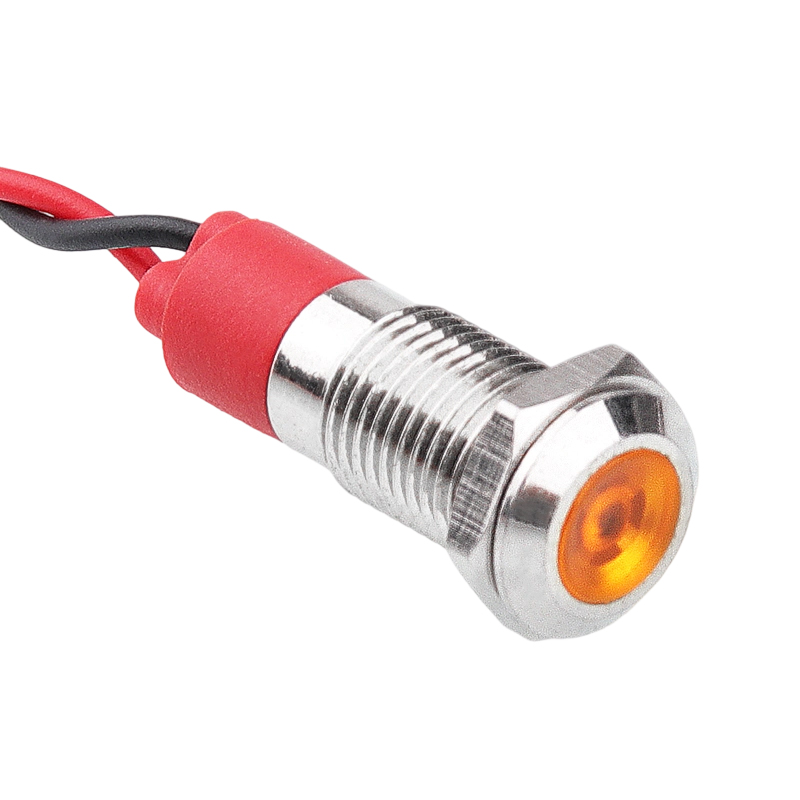
Industrial equipment often depends on visual signals to display machine conditions, operating status, and warning information. Choosing the right indicator component can support clearer communication and improve daily equipment operation. In many automation systems, the Multi-Color LED Indicator is widely used because it can display several operating conditions through a single device.
Modern industrial environments place increasing demands on equipment visibility, durability, and installation efficiency. As a result, manufacturers and engineers are paying closer attention to indicator selection during equipment development and panel design.
Different applications may require different lighting structures, voltage options, and protection levels. Understanding these factors can help users select indicators suitable for their operating environment.
Understanding Voltage and Power Requirements
One of the first considerations when selecting an indicator is voltage compatibility. Industrial equipment may use different power systems depending on the machine type and installation environment.
- Common options include:
- Low-voltage DC systems
- Standard industrial control voltages
- AC-powered equipment
Choosing an indicator that matches the equipment power supply helps support stable operation and simplifies installation work. Some indicators are designed for direct panel integration, while others may require additional wiring or control modules.
Power consumption is also an important factor in automation systems. Efficient lighting components can support long-term operation while reducing unnecessary electrical load within the control system.
Choosing the Right Mounting Structure
Industrial indicators are available in different mounting styles and sizes. Panel design requirements often determine which structure is suitable for a particular application.
Some equipment uses compact indicators for limited installation areas, while larger machinery may require indicators with higher visibility. Common mounting considerations include:
- Panel opening size
- Wiring arrangement
- Installation depth
- Connector type
Organized mounting structures can simplify assembly and maintenance activities. In crowded control panels, compact designs may help improve equipment layout and cable management.
Indicators designed for easy installation may also support faster replacement during maintenance procedures.
Environmental Protection Considerations
Industrial environments can expose equipment to dust, moisture, vibration, and temperature variation. Selecting indicators with suitable protective structures is important for stable operation.
Many industrial applications use waterproof or dust-resistant indicators to support operation in demanding environments. Equipment installed outdoors or in processing facilities may require additional environmental protection.
Vibration resistance is another important factor in machinery applications. Indicators used in moving equipment or automated production systems should maintain stable electrical connections during operation.
Temperature conditions should also be considered during product selection. Some industrial environments experience continuous heat exposure, while others may involve colder operating conditions.
Evaluating Brightness and Visibility
Clear visibility is important for machine status recognition. Operators often need to identify equipment conditions quickly from different viewing distances.
Brightness requirements may vary depending on the installation environment. Indoor control panels may require different illumination levels compared to outdoor equipment exposed to sunlight.
Viewing angle is another useful consideration. Wider viewing angles can help operators recognize machine conditions from different positions around the equipment.
Color consistency also plays an important role in industrial applications. Stable and recognizable colors help reduce confusion during machine operation and maintenance activities.
Smart Control and Customization Features
Modern industrial systems increasingly use programmable automation and connected monitoring technologies. Some multi-color indicators support programmable RGB functions that allow customized status displays.
Users may configure colors according to operational requirements or company standards. For example, different production lines may use specific color arrangements for equipment monitoring.
Some indicators can also connect directly to programmable controllers and sensor systems. This allows automatic color changes based on machine conditions or production status.
As industrial automation continues to develop, flexible and compact indicator solutions remain important for supporting organized equipment design and efficient machine monitoring.



Ready to experience the reliability and innovation of WANDU Electric switches?
© Zhejiang Wandu Electric Co., Ltd.
China Push-Button Switch
