
 русский
 Español

Industry News
Touch Pushbutton Switches: Reliable Control for Modern Interfaces
Date:Jun 26, 2026
Touch pushbutton switches are everywhere. Elevators. Coffee machines. Industrial panels. Medical devices. They have no moving parts. You touch the surface. The switch activates. A touch pushbutton switches manufacturing operation produces these components by the millions.
What a Touch Pushbutton Switch Is
The switch uses capacitance or resistance to detect touch
Inside a touch switch is a sensor. The sensor detects changes in capacitance or resistance. Your finger changes the field. The switch registers the touch. A touch pushbutton switch has no mechanical parts. No spring. No contact points. Nothing to wear out.
The switch surface is usually glass or plastic. It is flat. It is smooth. It is easy to clean. That is why touch switches are used in medical and food equipment.
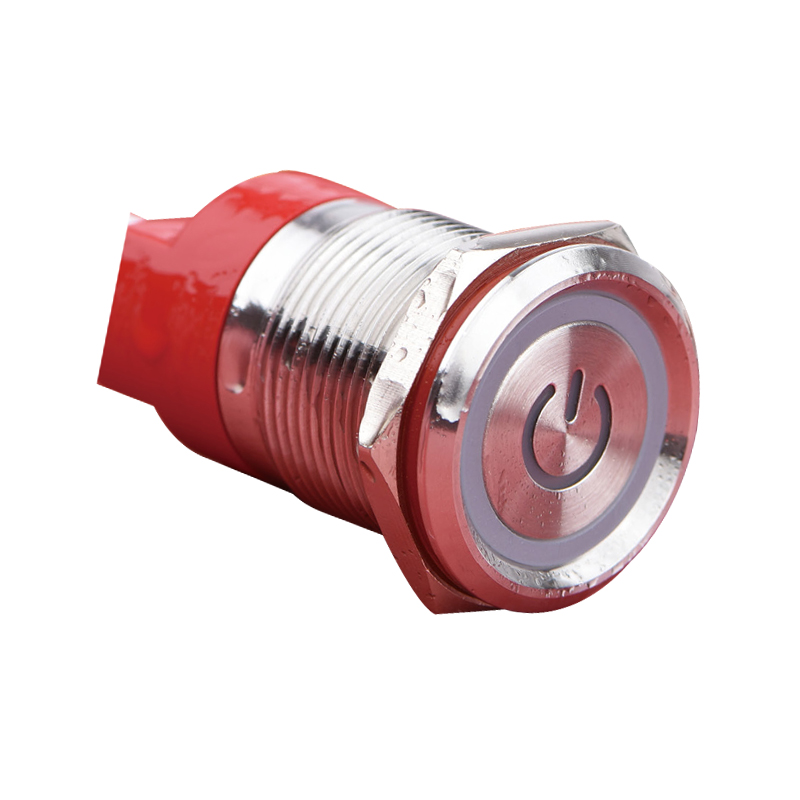
Momentary or latching
A momentary touch switch activates only while you touch it. Release your finger. The switch turns off. A latching switch stays on until you touch it again. A touch pushbutton switch can be either type. The electronics determine the behavior.
Where Touch Pushbutton Switches Get Used
Elevators and access control
Every elevator has a touch panel. The buttons are touch switches. No moving parts. No wear. A touch pushbutton switch lasts for millions of cycles. It never sticks. It never fails to spring back.
Industrial control panels
Food processing plants need washdown panels. Touch switches are sealed. Water cannot get in. A touch pushbutton switch with an IP67 rating survives hosing.
Medical devices
Hospital equipment needs sterile surfaces. Touch switches have no crevices. Bacteria cannot hide. A touch pushbutton switch cleans easily.
Consumer electronics
Coffee machines. Microwave ovens. Smart home panels. A touch pushbutton switch gives a modern look. No buttons to break.
What Buyers Look For
Sensitivity adjustment
The switch needs to detect a light touch. Not too sensitive. Not too insensitive. A touch pushbutton switch with adjustable sensitivity works in different environments. Gloves on? Adjust the sensitivity. Wet hands? Adjust again.
Environmental sealing
The switch must keep out dust and water. IP67 is standard for industrial use. A touch pushbutton switch with IP67 survives washdowns. The electronics are potted. Nothing gets in.
Backlighting and feedback
Users need to know the switch activated. Some touch switches have LEDs. The light comes on when you touch it. A touch pushbutton switch with feedback is easier to use. Haptic feedback gives a small vibration. You feel the activation.
Here is what to check:
- Sensitivity — adjustable for different environments
- Sealing — IP67 or higher for washdown
- Feedback — LED, haptic, or audible
- Durability — tested for millions of cycles
What Goes into Manufacturing Touch Pushbutton Switches
Sensor assembly
The sensor is the heart of the switch. A touch pushbutton switches manufacturing operation uses printed circuit boards with capacitive sensors. The board is designed for sensitivity and noise immunity.
Housing and sealing
The housing protects the electronics. It is usually plastic or metal. A touch pushbutton switches manufacturing operation molds the housing to fit the application. The seal is critical. No water gets in.
Testing
Every switch is tested. Sensitivity. Sealing. Electrical function. A touch pushbutton switches manufacturing operation tests each unit. Defective switches are rejected.
Quality in Touch Pushbutton Switches
Reliability
No moving parts means nothing to wear out. A touch pushbutton switch lasts for millions of cycles. It does not fail from mechanical fatigue.
Consistency
Every switch should activate at the same pressure. A touch pushbutton switches manufacturing operation calibrates each unit. The sensitivity is consistent.
Environmental resistance
The switch must work in harsh conditions. Heat. Cold. Moisture. A touch pushbutton switch from a good manufacturer handles the environment.
Why Choose Touch Pushbutton Switches
Long life
No moving parts. Nothing to wear out. A touch pushbutton switch lasts for millions of operations. It does not fail from mechanical wear.
Easy to clean
Smooth surface. No crevices. A touch pushbutton switch wipes clean. Bacteria cannot hide.
Modern appearance
Touch switches look modern. A touch pushbutton switch gives a product a high-end feel. It looks clean. It looks sleek.
A touch pushbutton switch is a reliable control for any interface. It has no moving parts. It lasts for millions of cycles. It is easy to clean. It looks modern. Buyers look for adjustable sensitivity, environmental sealing, and feedback. A good switch works every time. It does not fail. That is what a touch pushbutton switch delivers. Reliable control. Clean design. Long life.



Ready to experience the reliability and innovation of WANDU Electric switches?
© Zhejiang Wandu Electric Co., Ltd.
China Push-Button Switch
