
 русский
 Español

Industry News
Key Switch/Power Lock Safety Features in Control Panel Systems
Date:Apr 03, 2026
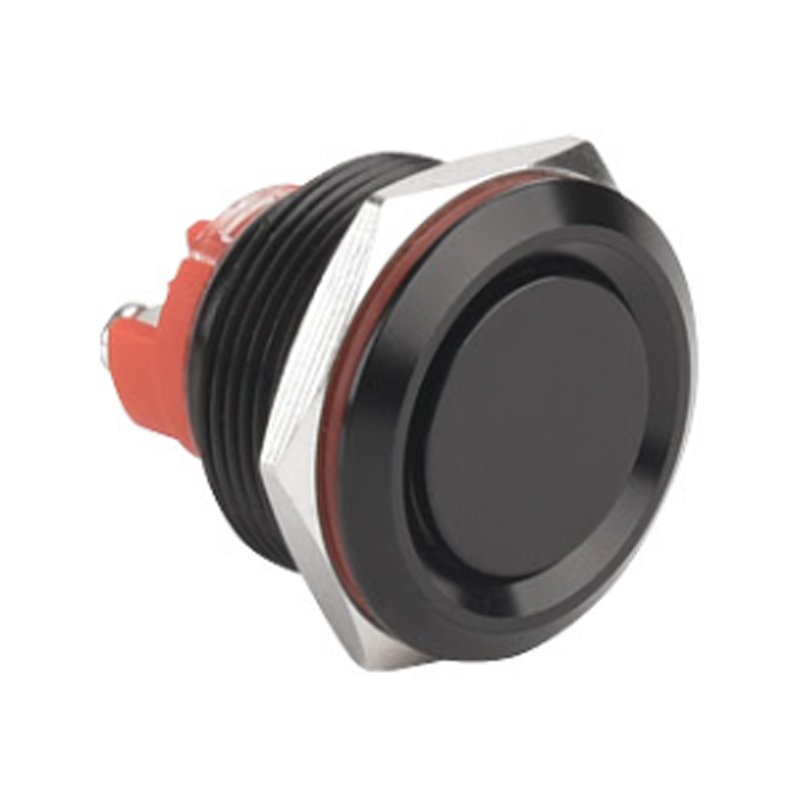
Industrial control panels are widely used in electrical distribution and machinery operation systems where safe power management is required. In many of these environments, a Key Switch/Power Lock is integrated into the control panel to help manage access to electrical functions and reduce unintended operation risks. This component adds a physical authorization layer that supports controlled activation of circuits and improves operational discipline.
Role of Control Panels in Industrial Environments
Control panels serve as central interfaces for electrical systems. They usually include switches, relays, breakers, and monitoring components that coordinate equipment behavior. Because these panels directly control power flow, any unintended operation may affect system stability or safety conditions.
In multi-user environments, it becomes necessary to introduce structured access control. A Key Switch/Power Lock provides a physical method of limiting access, ensuring that only authorized personnel can activate or change electrical states. This helps reduce the likelihood of accidental switching during operation or maintenance activities.
Mechanical Structure and Operating Principle
The key switch is built around a rotating cylinder mechanism connected to internal electrical contacts. When a matching key is inserted and turned, the internal contacts change state between open and closed positions. This mechanical process ensures that electrical activation only occurs when the correct key is used.
Compared with standard push-button switches, this structure relies on physical authentication rather than simple pressure or touch input. The locking mechanism helps maintain a stable position during operation, and in many configurations, the key can only be removed when the switch is in a defined state. This supports consistent system behavior.
Safety Features in Panel Applications
When installed in control panels, a Key Switch/Power Lock provides several important safety functions. One key function is preventing unintended activation. Since a physical key is required, accidental operation caused by touch or environmental factors is significantly reduced.
It can also support controlled shutdown or isolation of electrical circuits. In maintenance situations, operators can use the switch to restrict power flow, helping create a more controlled working environment.
In systems with multiple operators, the switch acts as an access control point. Only users with the correct key are able to operate the system, which helps reduce unauthorized interaction with electrical components.
Application in Industrial Systems
Control panels with key switches are commonly used in machinery control systems, electrical distribution units, and automated production setups. In machinery applications, they are often used to control startup sequences, ensuring that machines are only activated under proper conditions.
In power distribution systems, the switch may be used to enable or disable specific circuit sections. This allows structured control over energy flow rather than relying solely on electronic logic.
In automated systems, it can serve as a manual safety layer that restricts operation when needed, especially during inspection or adjustment processes.
Operational Benefits in Safety Management
One important advantage of using a Key Switch/Power Lock is improved operational control. Because physical action is required, system activation becomes more intentional, reducing accidental operation risks.
It also helps define clear responsibility in operating environments. Access to the switch is limited to specific users, which supports more organized workflow management.
During maintenance or inspection activities, the switch can help maintain system isolation, reducing the chance of unexpected system activation while work is being performed.
Installation and Integration Considerations
When installing a key switch into a control panel, several factors need to be considered. Mounting size, panel layout, and operator accessibility all influence installation decisions. Proper positioning ensures that the switch can be operated easily without interfering with other components.
Electrical compatibility is also important. The switch must match system voltage and current requirements to ensure stable operation. Depending on the system design, it may be connected to relays, controllers, or direct circuit lines.
Environmental conditions should also be considered. In environments exposed to vibration, dust, or moisture, protective structural design may be required to maintain long-term reliability.
Functional Value in Control Systems
The Key Switch/Power Lock provides a combination of mechanical security and electrical control. Requiring physical authorization, it adds a layer of protection to industrial systems. This helps improve operational structure and supports safer interaction with electrical equipment in control panel environments.



Ready to experience the reliability and innovation of WANDU Electric switches?
© Zhejiang Wandu Electric Co., Ltd.
China Push-Button Switch
