
 русский
 Español

Industry News
Test Button Switch Role in Device Safety and Control Panels
Date:Mar 27, 2026
The Test Button Switch is an essential element in ensuring device safety and proper operation of control panels in industrial and electronic systems. Its main purpose is to temporarily activate a circuit or function, allowing operators to verify the correct performance of machinery, sensors, or electronic components without affecting normal operations. When paired with a Stop Button Switch, the Test Button Switch contributes to a layered approach to system management, combining testing functionality with immediate emergency control. Proper understanding and use of these switches are crucial for maintaining both safety and reliability in complex systems.
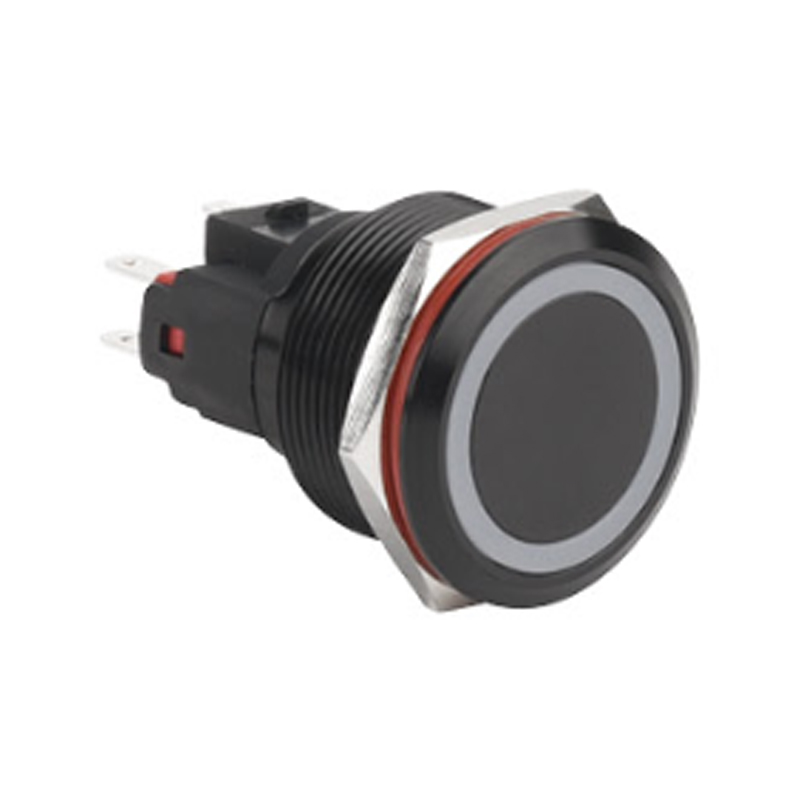
Safety Testing Functions
One of the primary roles of the Test Button Switch is to facilitate safety testing. By pressing the switch, operators can simulate operational conditions and monitor responses without running full processes. This enables detection of potential malfunctions, weak signals, or incorrect component behavior before they escalate into larger issues. For example, in a control panel managing conveyor operations, pressing the Test Button Switch can activate sensors and motors for a short duration to verify their response, ensuring that any malfunction is identified before production begins.
Integration in Control Panels
Control panels often incorporate Test Button Switches alongside operational and emergency controls. Their strategic placement allows technicians to access testing functions quickly while maintaining clear separation from regular operation buttons. This prevents accidental activation and ensures that testing can be conducted safely. The Stop Button Switch is usually positioned prominently and distinctly, providing operators with an immediate shutdown option if any test reveals unsafe conditions. Together, these switches enable operators to conduct verification procedures confidently without compromising system safety.
Troubleshooting and Diagnostics
Test Button Switches are invaluable tools for troubleshooting and diagnostics. Pressing the switch can temporarily engage circuits to determine whether components respond correctly. This helps isolate faults, identify malfunctioning modules, and verify repairs. For instance, a technician can use the Test Button Switch to simulate a sensor input and confirm that the control system reacts as expected. If the response is abnormal, the Stop Button Switch provides an immediate way to halt operations and prevent further damage or hazard. This dual functionality supports efficient and safe maintenance procedures.
Operator Training and Guidelines
Proper training is essential for the effective use of Test Button Switches. Operators need to understand when and how to use the switch, the expected system responses, and the difference between testing functions and emergency shutdown. Training should also emphasize the complementary role of the Stop Button Switch, teaching operators to respond quickly if a test reveals unsafe conditions. Providing clear guidelines and instructions reduces errors, prevents misuse, and enhances overall workplace safety.
Design and Ergonomics
The design of Test Button Switches in control panels is important for usability. They are typically smaller and positioned for convenient access, while Stop Button Switches are larger and more conspicuous, often colored red for immediate recognition. Tactile feedback from the Test Button Switch can indicate successful engagement, while the Stop Button Switch often features a latching mechanism for assured shutdown. These design considerations ensure that both switches fulfill their intended roles effectively and that operators can use them confidently under pressure.
Preventive Maintenance Applications
In addition to testing, the Test Button Switch supports preventive maintenance programs. Regular activation of circuits through the switch can reveal wear, delayed responses, or signs of degradation in machinery and electronic components. Using the Test Button Switch as part of scheduled inspections allows technicians to take corrective measures early. The availability of a Stop Button Switch ensures that testing can be halted instantly if abnormal behavior occurs, minimizing the risk of damage or injury.
The Test Button Switch plays a crucial role in maintaining device safety and supporting control panel operations. By allowing temporary activation for verification and testing, it helps ensure that systems function reliably and safely. When combined with a Stop Button Switch, operators gain both the ability to perform controlled tests and to respond immediately to unexpected conditions. Proper selection, placement, and training for these switches enhance operational safety, simplify maintenance, and contribute to the overall efficiency of industrial and electronic systems. Understanding the distinct yet complementary roles of Test Button Switches and Stop Button Switches is essential for effective system management.



Ready to experience the reliability and innovation of WANDU Electric switches?
© Zhejiang Wandu Electric Co., Ltd.
China Push-Button Switch
