
 русский
 Español

Industry News
Metal Buzzer: Loud Alerts That Survive Heavy Use
Date:Jun 12, 2026
A buzzer needs to be heard. In a factory, a kitchen, or on a security gate, background noise is loud. A cheap buzzer gets lost. A metal buzzer cuts through. It is loud. It is tough. It lasts. Here is what buyers look for.
What a Metal Buzzer Does
The buzzer produces sound when powered
A metal buzzer has a piezoelectric disc or an electromagnet inside. Apply power. The disc vibrates. The vibration makes sound. The sound comes out through a hole in the housing.
Some buzzers produce a continuous tone. Power on. Sound on. Power off. Sound off. Other buzzers produce a pulsed tone. Beep. Pause. Beep. Pause. The pulsing gets attention faster.
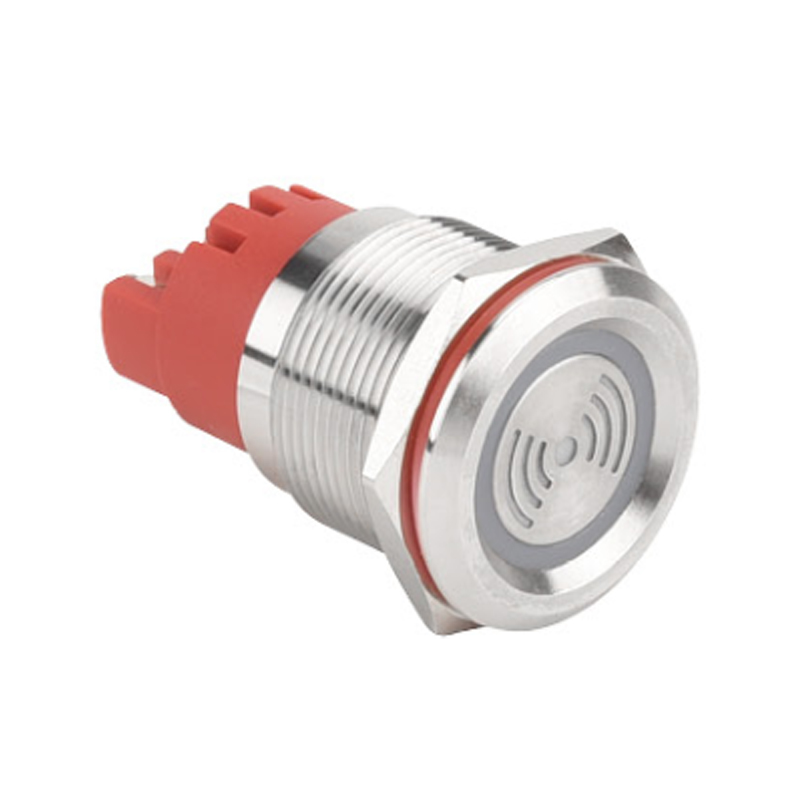
The metal housing protects the internal components
Plastic buzzers crack. Drop one on concrete. The housing splits. The metal buzzer survives the drop. The housing dents. It does not crack. The buzzer keeps working.
Metal also shields the buzzer from electromagnetic interference. A plastic buzzer near a motor might pick up noise. The sound changes. A metal buzzer keeps a consistent tone.
Where Metal Buzzers Get Installed
Factory equipment and control panels
A machine needs to alert the operator. A fault happens. The metal buzzer sounds. The operator hears it over the machinery. They stop the machine. They fix the problem.
Plastic buzzers in a factory get hit by tools. They break. Metal buzzers take the hit.
Commercial kitchens and food service
Kitchens are loud. Exhaust fans. Clanging pans. Shouting. A metal buzzer on a timer or an alarm panel gets heard. The chef knows when the fryer is done. The food does not burn.
Kitchens are also wet. A plastic buzzer with a poor seal lets water in. The buzzer fails. A metal buzzer with an IP rating handles moisture.
Security gates and entry systems
A gate buzzer needs to be loud enough to hear from inside a building. A metal buzzer mounted on the gate post sounds when someone presses the call button. The resident hears it. They buzz the visitor in.
Outdoor buzzers need to survive weather. Metal resists sun and rain better than plastic.
Here is where a metal buzzer is the right choice:
- Factories — loud environment, risk of impacts
- Commercial kitchens — heat, moisture, grease
- Security gates — outdoor exposure, long wire runs
- Marine applications — salt air, vibration
- Public spaces — vandal resistance
What to Look for in a Metal Buzzer
Decibel rating determines how loud the buzzer is
A metal buzzer rated at 85 dB is loud enough for a quiet office. A factory needs 95 dB or higher. A security gate on a busy street needs 100 dB or more.
Decibels are measured at a distance. Usually 1 foot or 1 meter. The sound drops off as you move away. A buzzer that is loud at 1 foot might be barely audible at 30 feet.
Here is how decibel ratings work for a metal buzzer:
- 80-85 dB — office, home, quiet retail
- 90-95 dB — restaurant kitchen, small shop
- 95-100 dB — factory, warehouse
- 100-105 dB — noisy industrial, outdoor gate
Voltage matches the control system
Buzzers come in different voltages. 12V DC is common for security systems and vehicles. 24V DC is common for industrial controls. 120V AC is for direct connection to building power. A metal buzzer needs to match the voltage of the system it connects to.
Wrong voltage, and the buzzer either does not work or burns out.
Tone type and adjustability
Some metal buzzer products have a fixed tone. Others have an adjustable potentiometer. Turn a screw. The pitch changes. You can match the buzzer to the ambient noise.
Pulsed buzzers get attention faster than continuous. The ear is drawn to changing sound. A continuous tone blends into the background.
Here is what tone types do:
- Continuous — steady sound, good for status alerts
- Pulsed — beep-beep-beep, good for alarms
- Dual tone — two frequencies alternating, attention-getting
- Adjustable pitch — user sets frequency to cut through background noise
IP rating for moisture and dust protection
A metal buzzer on a dry control panel needs no rating. A buzzer in a kitchen or outdoors needs IP rating.
IP54 is dust-protected and splash-resistant. IP65 is dust-tight and low-pressure water jet protected. IP67 is dust-tight and temporary immersion protected.
Here is what IP ratings mean for a metal buzzer:
- No rating — indoor, dry locations only
- IP54 — light splashing, some dust
- IP65 — rain, washdown, dust-tight
- IP67 — temporary submersion, outdoor use
What Goes Wrong with Cheap Metal Buzzers
The sound is weak and gets lost in background noise
Cheap metal buzzer products use small piezoelectric discs. The sound pressure is low. In a quiet room, it is fine. In a factory, nobody hears it.
The housing corrodes
Cheap metal is plated steel. The plating wears off. The steel rusts. A metal buzzer that looks fine on the outside may have rusted internals. The sound degrades. It stops working.
The terminals break off
Terminals are soldered to the circuit board. A metal buzzer with weak terminal attachments fails when the wire vibrates. The terminal snaps. The buzzer is dead.
The buzzer fails from voltage spikes
No protection circuit. A voltage spike hits the metal buzzer. The internal driver burns out. The buzzer makes no sound. Or a faint clicking instead of a tone.
A metal buzzer is a simple device. Power on. Sound out. But the difference between a good one and a cheap one is reliability.
Match the decibel rating to your environment. 95 dB for factories. 100 dB for outdoor gates. Choose the right voltage. Get an IP rating if moisture is present.
A cheap buzzer fails. The machine keeps running. The operator does not hear the alarm. Damage happens. Production stops.
A good buzzer costs a few dollars more. It works for years. It alerts every time. For industrial, commercial, and security applications, that reliability is worth the extra cost. Your operators will hear it. Your equipment will be safe. Your business will keep running. That is the point of an alarm. To be heard. A good metal buzzer makes that happen.



Ready to experience the reliability and innovation of WANDU Electric switches?
© Zhejiang Wandu Electric Co., Ltd.
China Push-Button Switch
