
 русский
 Español

Industry News
Metal Pushbutton Switches: Industrial Controls That Handle Daily Abuse
Date:Jun 19, 2026
Factory floors are rough. Operators mash buttons. Tools swing into panels. Dust and coolant mist hang in the air. Most control buttons on these panels are metal. Plastic ones crack or wear out fast. A metal pushbutton switch takes that abuse. Still clicks when pressed. Still works years later.
What Metal Pushbuttons Do That Plastic Ones Cannot
Metal housings take hits that crack plastic
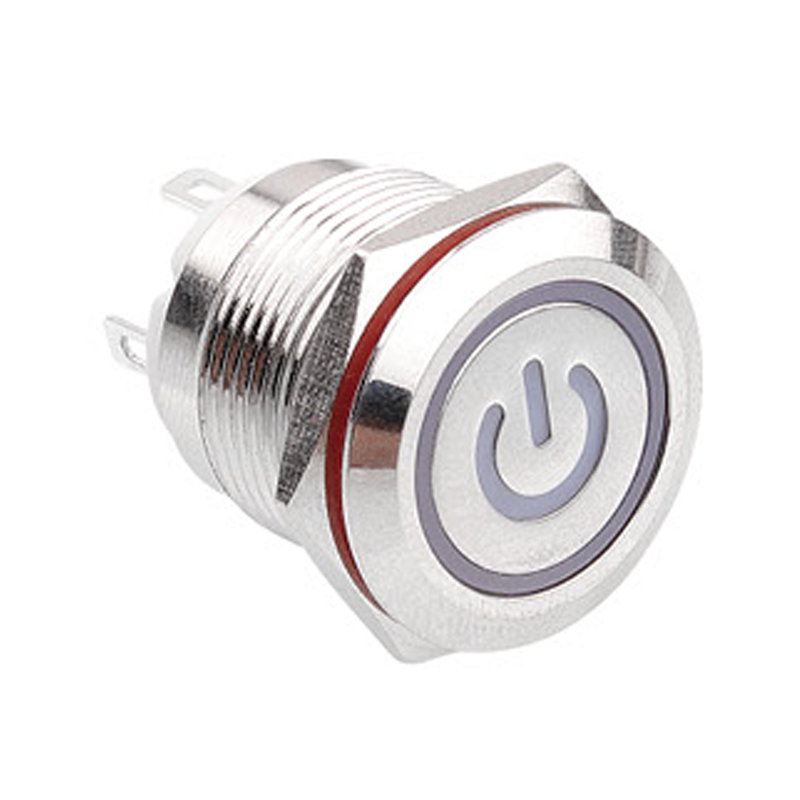
Plastic housings crack under impact. A dropped wrench can split one open. A metal pushbutton switch uses stainless steel or aluminum. It takes the hit. The housing also seals out dust and water. IP65 and IP67 ratings mean you can hose down the panel. Water stays out.
Inside, the mechanism is simple. A spring pushes the button back up. Contacts close or open when pressed. The metal shell protects that mechanism from the outside world.
Momentary switches spring back. Maintained switches stay put.
Some buttons spring back when you let go. Press and release. Contacts close, then open. Good for start buttons or horn signals.
Others stay in position. Press once, the button stays down. Press again, it pops back up. Emergency stop buttons are usually maintained. Push in to stop. Twist to reset.
Where Metal Pushbuttons Actually Get Used
Factory panels with gloved operators
Operators wear heavy gloves. They cannot feel small plastic buttons. They hit the panel with their palm. A metal pushbutton switch has a large face—usually 22mm or 30mm. Easy to press with gloves on. The metal rim does not crack under repeated impacts.
Outdoor equipment exposed to weather
Car wash gates. Conveyors outside warehouses. Plastic switches fail when water gets in. A metal pushbutton switch with an IP67 rating seals out moisture. Gaskets keep water away from the contacts.
Public kiosks where people are rough
Ticket machines. Fast food kiosks. People push hard. Plastic buttons crack and wear out. Metal buttons still look decent after years of use.
What to Look for in a Quality Metal Pushbutton Switch
The click tells you it worked
A good switch has a clear click when you press it. You feel it through your glove. You know the contacts closed. Cheap switches feel mushy. Press once. Nothing. Press harder. Finally clicks. You are never quite sure if it worked the first time.
Here is what a good switch should feel like:
- Same pressure required every time
- No wobble when the button is at rest
- Smooth travel when pressed
- LED indicators need to stay bright
Many have LEDs built in. Red for stop. Green for start. Good ones stay bright for years. Cheap ones fade after a few months. Red turns pink. Green turns yellow. Operators cannot tell which button is which in dim light.
Screw terminals are easier to wire
Screw terminals work fine. Strip the wire. Insert. Tighten. No special tools. Quick-connect terminals need a crimper. For field installation, screw terminals are more convenient.
Why a Good Switch Costs More
A $5 switch and a $15 switch look similar on the outside. The difference is inside. Good switches use silver or gold alloy contacts. They do not oxidize over time. Cheap switches use plain copper. They corrode. The switch fails.
Good switches have real IP ratings. They have been tested. Cheap ones print IP65 on the box but leak the first time water hits them.
Good switches have a positive snap action. Cheap ones feel vague. You never know if they are engaged.
A Switch That Fails Stops Production
Start button does not work? Machine does not start. Emergency stop does not work? Machine does not stop. Both are problems. A reliable switch is not expensive compared to the cost of downtime.
Choose stainless steel housing. Clear click. Real IP rating. Buy from someone who stands behind the product. Operators press it. It works. Nobody thinks about it. That is exactly what you want.



Ready to experience the reliability and innovation of WANDU Electric switches?
© Zhejiang Wandu Electric Co., Ltd.
China Push-Button Switch
