
 русский
 Español

Industry News
Test Button Switch Differences Compared to Stop Button Switch Designs
Date:Mar 20, 2026
The Test Button Switch and the Stop Button Switch are two critical components in industrial and electronic control systems, but they serve very different purposes. Understanding the differences between these switches is essential for engineers, technicians, and operators to ensure correct use and maintain system safety. The Test Button Switch allows for temporary activation of a circuit to verify functionality or simulate conditions, while the Stop Button Switch provides an immediate means to halt operations, often in emergencies. Proper differentiation between the two is necessary to prevent accidents and ensure reliable system performance.
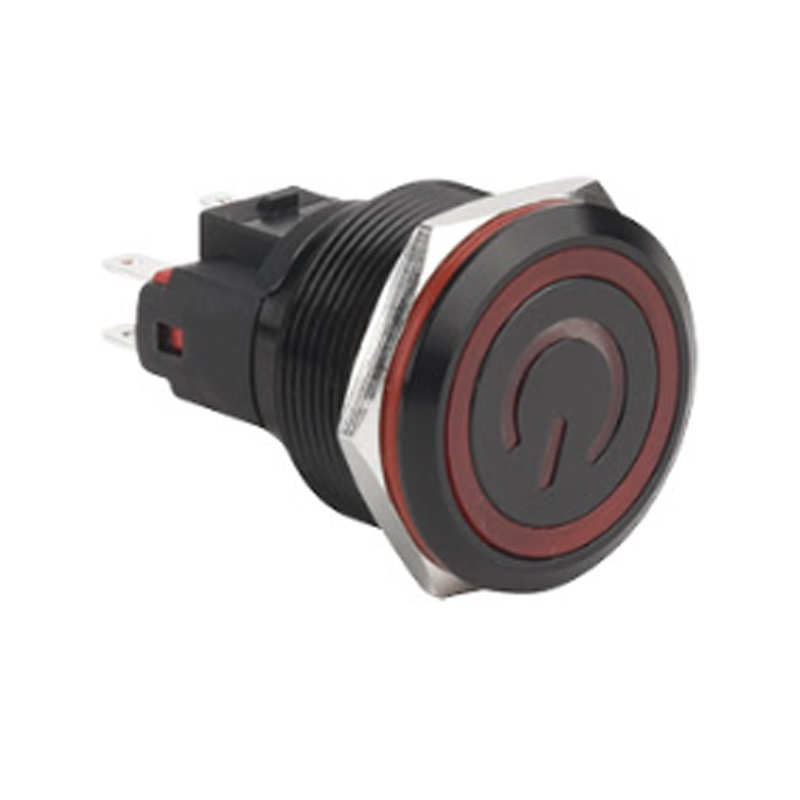
Functional Differences
The primary distinction between these switches lies in their intended functions. A Test Button Switch is designed for controlled testing and temporary activation. It allows operators to check circuits, monitor responses, or simulate operational conditions without impacting the normal workflow of a system. In contrast, the Stop Button Switch is intended to immediately interrupt operation, stopping machinery or halting a process to prevent harm or damage. While one is used for verification and testing, the other is a safety-critical mechanism for emergency intervention.
Design Characteristics
Design elements of these switches also reflect their functional roles. Test Button Switches are generally compact, with a press-and-release action that makes them suitable for repeated testing. They often feature tactile feedback to indicate successful engagement and can be mounted inconspicuously in control panels. Stop Button Switches, on the other hand, are designed to be highly visible and quickly accessible. They often include a larger button surface, bold coloring such as red for emergency identification, and may incorporate locking or latching mechanisms to ensure immediate system interruption.
Applications in Industrial Settings
In manufacturing and production environments, Test Button Switches are used to simulate processes or verify component behavior. For instance, a technician may press the switch to trigger a conveyor belt or robotic arm to confirm proper operation before initiating full production. Stop Button Switches are strategically placed near operators or along control panels to allow rapid system shutdown if unexpected conditions arise. Using both types together ensures that testing can occur safely and that immediate action is available in case of malfunction.
Safety Considerations
Understanding the differences between these switches is crucial for workplace safety. Misusing a Test Button Switch as a means of stopping equipment can delay emergency response, while relying solely on a Stop Button Switch for testing could compromise operational verification. Operators should be trained to recognize each switch’s purpose, understand the expected outcomes of activation, and follow established safety procedures. Proper labeling, tactile design differences, and placement on the control panel contribute to safe and intuitive use.
Integration in Control Panels
In modern control panels, Test Button Switches and Stop Button Switches are often integrated in a complementary manner. The Test Button Switch allows operators to temporarily engage circuits for diagnostic purposes, while the Stop Button Switch provides an immediate shutdown option. This integration ensures that testing and verification processes do not interfere with emergency safety functions. Clear separation and identification of these switches on a control panel are essential to avoid operator confusion and maintain system reliability.
Selection Guidelines
Choosing the appropriate switch requires consideration of the operational environment and specific application needs. Test Button Switches should be selected for durability, repeated use, and ease of activation. Stop Button Switches should be highly visible, easy to access, and capable of quickly interrupting power or stopping machinery. Considering these factors during design or maintenance ensures that both testing and emergency control functions are supported effectively.
While the Test Button Switch and Stop Button Switch are both important components, their functions, designs, and applications differ significantly. The Test Button Switch is primarily used for temporary testing and verification, whereas the Stop Button Switch provides immediate emergency intervention. Proper understanding, selection, and integration of these switches within control systems enhances safety, operational reliability, and efficiency. Ensuring that operators can distinguish between the two and use them appropriately is a key factor in effective industrial and electronic system management.



Ready to experience the reliability and innovation of WANDU Electric switches?
© Zhejiang Wandu Electric Co., Ltd.
China Push-Button Switch
