
 русский
 Español

Industry News
Test Button Switch Typical Industrial Applications
Date:Mar 06, 2026
The Test Button Switch is an essential component in various industrial and electronic systems. Its primary function is to temporarily engage a circuit, allowing operators to verify that devices, machinery, and control systems are functioning correctly. Unlike standard operational switches, the Test Button Switch does not permanently alter a device's operational state but instead provides a controlled way to test performance. In industrial settings, its use ensures that machines operate smoothly, potential issues are detected early, and maintenance is more efficient. When paired with a Stop Button Switch, it creates a robust control framework that balances operational efficiency with safety considerations.
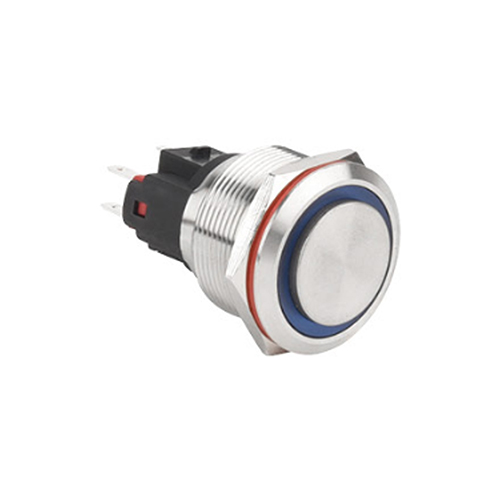
Industrial Equipment Control
Test Button Switches are widely used in production machinery to simulate operational processes safely. In manufacturing lines, pressing the switch can trigger motors, conveyor belts, or robotic arms for a brief period, allowing operators to confirm that all components respond appropriately. This prevents unexpected errors during active production and reduces the likelihood of downtime. For example, in assembly lines handling delicate materials, using the Test Button Switch ensures that actuators, sensors, and mechanical components synchronize correctly before full operation.
Electronic Product Testing
In electronics manufacturing and repair, Test Button Switches play a vital role. Engineers use these switches to verify the functionality of circuits, confirm connectivity, and test individual components without powering down the entire system. This is particularly useful when working with complex boards or sensitive electronics. By activating the switch, technicians can simulate real-world conditions and identify any faults before devices leave the testing station. Such testing also allows calibration adjustments, ensuring that devices meet design expectations.
Automation and Control Panels
Automation systems often integrate Test Button Switches to allow temporary overrides or system simulations. In automated production lines, pressing the Test Button Switch can trigger sequences such as timed motor operation, sensor activation, or simulated process conditions. This functionality is critical for verifying that automated systems respond accurately to inputs, especially in systems where errors could result in damage or safety risks. Control panels often combine these switches with Stop Button Switches, allowing operators to interrupt processes immediately if a test reveals a malfunction or unsafe condition.
Maintenance and Safety
Regular testing using Test Button Switches is a standard preventive maintenance practice. Operators and maintenance personnel can simulate operational conditions to detect abnormal responses or signs of wear before serious problems occur. For instance, if pressing the Test Button Switch results in delayed responses from an actuator, it may indicate the need for lubrication, component replacement, or electrical inspection. By integrating these switches into routine inspections, companies can reduce the risk of machine failure and improve workplace safety.
Design Considerations
When selecting a Test Button Switch for industrial applications, several factors should be considered. The switch’s durability, resistance to environmental conditions, and ease of use are essential. It should withstand frequent operation without degradation and be clearly distinguishable from other buttons, particularly the Stop Button Switch, which must be immediately recognizable in emergencies. Mounting location, accessibility, and tactile feedback are also important to ensure that operators can use the switch reliably during testing or troubleshooting.
Combined Use with the Stop Button Switch
While the Test Button Switch is designed for controlled testing, the Stop Button Switch serves as an emergency or immediate shutdown mechanism. Using both types of switches together provides a layered approach to system management. For example, during a test procedure, the operator can press the Test Button Switch to verify component function and immediately use the Stop Button Switch if the system responds abnormally. This combination reduces potential risks and provides confidence that testing can be conducted safely.
The Test Button Switch is an indispensable tool for industrial applications, supporting machinery testing, electronic verification, and automated system simulations. By allowing temporary engagement of circuits without altering permanent operation, it enhances reliability, supports preventive maintenance, and contributes to workplace safety. Paired with the Stop Button Switch, it provides a complete solution for managing both operational testing and emergency control. Correct selection, installation, and use of these switches ensure that industrial systems operate efficiently, safely, and with fewer unexpected interruptions.



Ready to experience the reliability and innovation of WANDU Electric switches?
© Zhejiang Wandu Electric Co., Ltd.
China Push-Button Switch
