
 русский
 Español

Industry News
Test Button Switch Usage Tips for Safety and Performance Optimization
Date:Mar 13, 2026
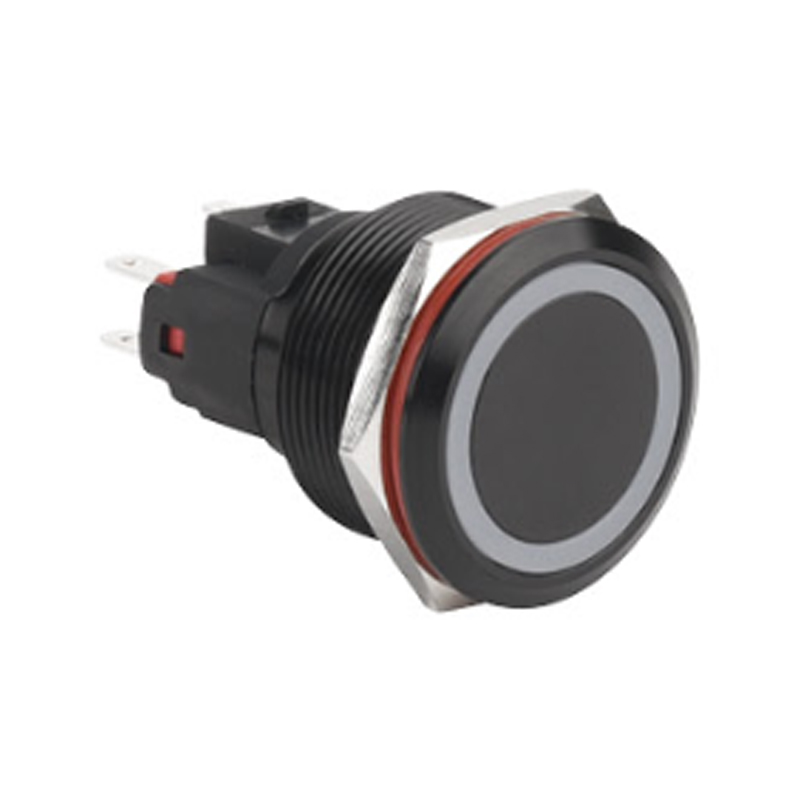
The Test Button Switch plays a significant role in maintaining the safety and operational efficiency of industrial and electronic systems. When used correctly, it allows operators to verify the functionality of circuits, machinery, and control systems without interrupting regular operations. By understanding proper installation, operation, and maintenance practices, organizations can enhance the performance of equipment and reduce the likelihood of malfunctions. In conjunction with a Stop Button Switch, the Test Button Switch provides a comprehensive safety mechanism, ensuring that testing procedures do not compromise overall system security.
Installation Considerations
Proper installation is essential for safe and effective use of a Test Button Switch. The switch should be placed in an accessible location, allowing operators to reach it quickly without interfering with other controls. Accessibility is particularly important in complex control panels, where multiple switches and indicators are present. Environmental conditions such as temperature, humidity, and vibration must also be considered. A switch that is exposed to dust, water, or mechanical stress may wear prematurely, leading to unreliable performance. Ensuring secure mounting and protective housing can extend the life of the switch and maintain consistent operation.
Operational Guidelines
The correct operation of a Test Button Switch is critical to both safety and performance. Operators should press the switch only when verification or testing is necessary, avoiding unnecessary or repetitive activation. Understanding the specific function of each switch in the control system helps prevent accidental triggering of automated processes. In some systems, pressing the Test Button Switch may temporarily override standard sequences, which requires operators to be familiar with the expected behavior and timing. Using proper techniques also reduces wear on the switch contacts, maintaining consistent performance over time.
Routine Maintenance Practices
Regular inspection and maintenance are essential to ensure that Test Button Switches remain functional. Checking for loose connections, worn contacts, or physical damage can prevent unexpected failures during testing. Cleaning the switch to remove dust and debris can improve contact reliability, while verifying electrical continuity ensures accurate test results. Including these steps in routine maintenance schedules helps maintain system performance and reduces the risk of downtime. Furthermore, integrating these checks with other maintenance activities, such as testing sensors or control circuits, provides a holistic approach to system reliability.
Safety Standards and Guidelines
Adhering to safety standards is crucial when using Test Button Switches. While these switches are primarily designed for testing purposes, improper use can lead to operational errors or safety hazards. Training operators to differentiate between a Test Button Switch and a Stop Button Switch is vital, as the latter is intended for immediate shutdown or emergency intervention. Clear labeling, color coding, and placement contribute to safe and intuitive operation. Ensuring that testing procedures follow established safety protocols reduces the risk of accidents and improves overall confidence in system reliability.
Performance Optimization Tips
Optimizing system performance with Test Button Switches involves several practical measures. First, scheduling regular testing intervals ensures that components are consistently monitored. Second, documenting test results and any anomalies helps identify recurring issues that may require corrective action. Third, coordinating the use of Test Button Switches with other control elements, including Stop Button Switches, allows for safe and efficient testing without affecting production processes. By combining these measures, operators can enhance both system efficiency and safety.
Integration with the Stop Button Switch
While the Test Button Switch allows for controlled testing, the Stop Button Switch serves as an immediate emergency control mechanism. During testing or system verification, operators can safely use the Test Button Switch to engage circuits temporarily and rely on the Stop Button Switch to halt operations if unexpected behavior occurs. This layered approach to control ensures that testing can be conducted safely and reduces the potential for damage or accidents. Properly integrating these switches into control panel designs strengthens both operational reliability and safety readiness.
The Test Button Switch is a vital tool for maintaining system safety and optimizing performance. Through proper installation, operation, and maintenance, these switches help ensure that machinery and electronic systems function correctly and reliably. When used in combination with Stop Button Switches, operators have a comprehensive mechanism to perform safe testing and manage emergencies effectively. Following guidelines for installation, use, and maintenance maximizes the utility of these switches and supports consistent operational efficiency across industrial and electronic environments.



Ready to experience the reliability and innovation of WANDU Electric switches?
© Zhejiang Wandu Electric Co., Ltd.
China Push-Button Switch
