
 русский
 Español

Industry News
How Can ODM Indicator Light Improve Industrial Panels?
Date:Jan 06, 2026
Control and monitoring systems in industrial, commercial, and consumer applications rely on clear and accurate signaling devices. The ODM Indicator Light, Multi-Color LED Indicator Manufacturing, and Design LED Metal Indicator Light are key elements in such systems, providing operators with visual feedback on system status, operational conditions, and fault alerts. These components are essential for maintaining safety, improving efficiency, and facilitating intuitive human-machine interaction. Understanding the functional characteristics, manufacturing considerations, and practical applications of indicator lights ensures that engineers, designers, and procurement teams can make informed choices that enhance system performance and reliability.
Indicator lights serve as a primary interface between a system and its user, helping communicate operational conditions without requiring direct measurement or monitoring. ODM indicator lights allow customization for specific applications, while multi-color LED indicators can convey multiple states through color coding. Metal indicator lights combine durability with aesthetic appeal, making them suitable for environments ranging from industrial panels to consumer electronics.
ODM Indicator Light: Customization and Industrial Applications
An ODM Indicator Light provides a tailored solution for applications requiring specific voltage ratings, sizes, illumination intensities, and mounting designs. Original Design Manufacturer (ODM) solutions allow companies to obtain indicator lights that are optimized for their products while maintaining compliance with industry standards. Electrical ratings, mechanical durability, and environmental resistance are critical factors that must be considered when specifying an ODM indicator light. Materials for housing, lenses, and internal contacts determine the operational longevity of the component, particularly in demanding industrial settings.
ODM indicator lights are commonly deployed in control panels, automation systems, laboratory instruments, and commercial equipment. The ability to customize color, shape, illumination type, and mounting style ensures that operators can quickly recognize system status and respond appropriately. Integration into panels or machines requires attention to wiring, voltage compatibility, and environmental protection, particularly in high-moisture, dusty, or high-temperature applications. Proper specification and collaboration with an ODM provider allow system designers to create indicator lights that meet functional, aesthetic, and operational requirements.
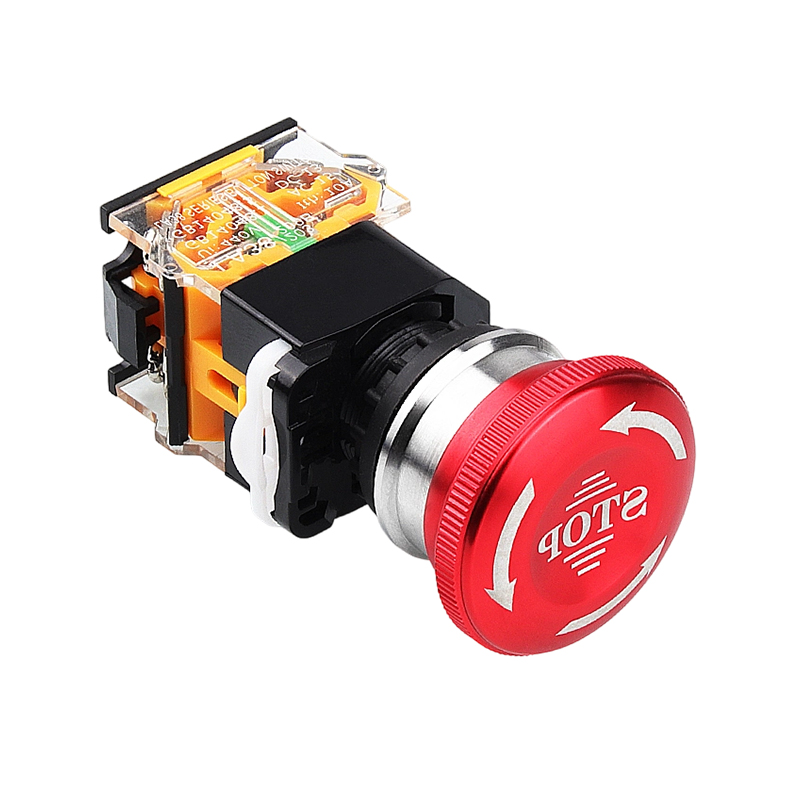
Multi-Color LED Indicator Manufacturing: Technology and Practical Considerations
Multi-Color LED Indicator Manufacturing focuses on producing indicator lights capable of conveying multiple statuses through distinct colors. These indicators are widely used in control panels, instrumentation, and electronic devices where a single indicator must communicate different operational conditions, such as power on, system ready, fault, or maintenance alerts. Technical considerations include voltage and current requirements, LED lifespan, optical efficiency, and thermal management to prevent overheating during continuous operation.
Manufacturing processes ensure that LEDs are consistent in brightness, color uniformity, and mechanical reliability. Color coding enhances operator recognition and reduces errors, while design choices such as lens shape, refractive optics, and bezel configuration improve visibility and readability. Multi-color LED indicators can incorporate single LEDs with multiplexed color control or separate LEDs for each color, depending on design requirements. High-quality manufacturing practices ensure durability and reduce maintenance, supporting consistent operation in both industrial and commercial environments.
Applications of multi-color indicators span diverse sectors, including industrial automation, medical devices, automotive electronics, and consumer appliances. Proper integration requires attention to mounting, wiring, and interface compatibility, as well as potential inclusion of resistors or drivers to maintain correct current and voltage levels.
Design LED Metal Indicator Light: Durability and User Interface
A Design LED Metal Indicator Light combines the robustness of metal housings with the functional versatility of LED illumination. Metal housings provide mechanical protection, corrosion resistance, and aesthetic appeal, making these indicators suitable for both industrial and commercial installations. Designers can select metal types, finishes, and colors to match panel layouts, branding, or environmental requirements.
Design LED metal indicator lights are widely applied in automation panels, industrial control systems, transportation equipment, and outdoor machinery. The combination of metal housing and LED technology ensures long operational life, resistance to impact, and environmental protection, including dust or moisture ingress when designed with appropriate sealing. Optical design considerations such as lens type, viewing angle, and brightness are essential to ensure that indicators are clearly visible under varied lighting conditions. User interface design also benefits from intuitive color coding, tactile feedback, and consistent placement within panels to improve usability and reduce operator errors.
Integration and System Implementation
Successfully integrating ODM indicator lights, multi-color LEDs, and metal indicator lights requires careful planning of electrical compatibility, panel layout, and environmental protection. Proper wiring, voltage selection, and current-limiting components ensure that indicators operate safely and effectively without interfering with the main control system. Panel design considerations, including ergonomic placement, labeling, and visibility, enhance the operator’s ability to respond to system alerts quickly. In complex automation environments, the strategic use of different indicator types—such as multi-color LEDs for status differentiation, metal housings for durability, and customized ODM solutions for application-specific needs—enables efficient and safe operation.
In addition, system designers must consider environmental factors, including exposure to dust, moisture, and temperature variations. Selecting indicators with appropriate sealing, thermal management, and mechanical protection improves durability and reduces maintenance requirements. Collaboration with manufacturers and ODM providers ensures that products meet operational standards and functional specifications.
Maintenance, Testing, and Operational Guidance
Routine inspection, testing, and maintenance are essential for maintaining indicator light functionality. ODM indicator lights should be checked for electrical continuity, illumination intensity, and mounting integrity. Multi-color LEDs require testing for color consistency, brightness, and correct operation of multiplexed control circuits. Metal indicator lights should be inspected for corrosion, mechanical integrity, and seal effectiveness in harsh environments. Maintaining a stock of spare indicators, particularly in industrial applications with multiple panels or equipment, ensures rapid replacement and downtime. Proper maintenance practices enhance operational safety, reduce the risk of miscommunication due to indicator failure, and extend the service life of the components.
Selecting the Right Indicator Light
Choosing the appropriate indicator light depends on application requirements, electrical characteristics, environmental conditions, and user interface considerations. ODM solutions allow tailored configurations to meet specific project needs, multi-color LEDs convey multiple operational states in a single indicator, and metal housings provide enhanced durability and protection. Combining different types of indicators in panels or equipment ensures efficient communication of system status, reduces operator error, and supports safe and reliable operation across industrial, commercial, and outdoor environments.
Industry Trends and Design Innovations
The indicator light industry continues to evolve with advances in LED technology, material science, and ergonomic design. Low-power and long-life LEDs, tactile or visual feedback mechanisms, modular assembly, and corrosion-resistant materials are increasingly common. Innovations in thermal management, sealing, and optical design enhance visibility and operational longevity. Customizable ODM solutions allow manufacturers and system designers to optimize indicators for specific applications, supporting operational efficiency, operator safety, and reduced maintenance requirements. Trends also include integration with IoT systems and smart panels, allowing indicators to convey status through both visual signals and digital interfaces.
Practical Applications Across Sectors
Indicator lights, whether ODM customized, multi-color LEDs, or metal-housed designs, are deployed in diverse sectors. Industrial automation panels utilize indicators for system status, fault alerts, and operational readiness. Medical devices rely on clear visual feedback for safe and effective operation. Automotive electronics use multi-color LEDs to convey multiple conditions in compact spaces, while transportation systems and outdoor machinery benefit from metal-housed indicators for durability and visibility. Understanding each type’s functional characteristics ensures effective deployment, operational safety, and simplified maintenance across varied environments.



Ready to experience the reliability and innovation of WANDU Electric switches?
© Zhejiang Wandu Electric Co., Ltd.
China Push-Button Switch
