
 русский
 Español

Industry News
Practical Considerations For OEM Start Button Switch Selection
Date:Jan 06, 2026
Control systems across industrial, commercial, and consumer applications rely on components that deliver precision, durability, and adaptability. The OEM Start Button Switch, Stop Button Switch Supplier, and Waterproof Button Company represent essential elements of these systems. These switches enable electrical control, safety functions, and operational reliability, allowing engineers, technicians, and procurement teams to design, implement, and maintain systems effectively. Evaluating the technical characteristics, installation requirements, and maintenance practices for these switches ensures functionality, safety, and consistent performance in diverse environments.
Start button switches are primarily used to initiate operations or energize circuits, while stop button switches provide immediate circuit interruption to prevent damage or unsafe operation. Waterproof switches are designed for environments with moisture, dust, or other challenging conditions, making them suitable for outdoor installations, industrial settings, and equipment exposed to harsh conditions.
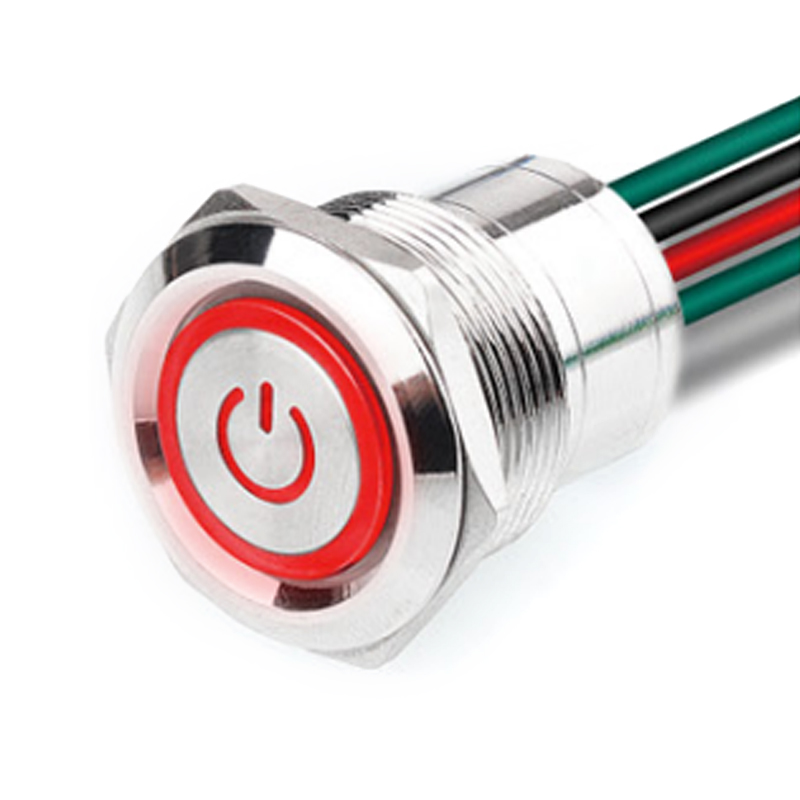
OEM Start Button Switch: Functionality and Integration
The OEM Start Button Switch is a fundamental component in control panels, machinery, and automation equipment. Its primary role is to initiate operations by completing an electrical circuit when actuated. Selecting an appropriate OEM start button switch involves considering factors such as electrical rating, mechanical durability, actuation force, and environmental conditions. Voltage and current ratings must align with the operational system to ensure consistent performance and prevent premature wear or failure.
Materials used in manufacturing, including metallic contacts, corrosion-resistant coatings, and durable housings, determine the switch’s longevity. Industrial-grade switches may include features such as illuminated indicators to provide visual feedback on operational status, while panel designs can incorporate tactile or ergonomic considerations to improve operator usability. Proper specification and OEM collaboration allow for tailored solutions that meet the precise requirements of the application, whether for heavy machinery, industrial automation, or commercial equipment.
In practical applications, OEM start button switches are installed in motor control panels, automated machinery, laboratory equipment, and consumer devices. Understanding the differences between momentary and latching mechanisms helps engineers ensure that switches function as intended. Momentary switches complete a circuit only while pressed, suitable for temporary activation or sequential operations. Latching switches maintain their state until pressed again, ideal for toggle operations or persistent control commands.
Stop Button Switch Supplier: Ensuring Safety and Reliability
A Stop Button Switch Supplier provides components designed to interrupt electrical circuits immediately, supporting operational safety and equipment protection. Stop button switches are widely used in industrial machinery, automation systems, and commercial equipment to enable rapid shutdown during emergencies, maintenance procedures, or system testing. Selecting a supplier involves evaluating product consistency, mechanical and electrical durability, and adherence to safety standards. Suppliers that provide detailed datasheets, including rated current, voltage, mechanical life, and environmental tolerance, enable informed procurement and long-term operational reliability.
Stop button switches are often integrated into control panels alongside start buttons and other interface elements. Proper installation considers wiring, protective devices such as fuses or relays, and ergonomic layout to ensure operator access in urgent situations. In addition, illuminated or status-indicating models can visually communicate the system’s operational state, assisting operators and maintenance personnel in identifying faults or confirming safe shutdowns. Working with a supplier capable of customization, such as button color, size, and mounting configuration, further enhances functionality and reduces the likelihood of operational errors across multiple installations.
Waterproof Button Company: Durable Solutions for Challenging Environments
The Waterproof Button Company specializes in switches that maintain operational integrity in the presence of moisture, dust, or environmental contaminants. These switches are widely deployed in outdoor equipment, industrial machinery, marine systems, and other applications where standard switches might fail due to exposure. Waterproof switches achieve durability through sealed housings, high-quality materials, and design features that meet specific ingress protection (IP) ratings.
Customization allows these switches to meet electrical, mechanical, and aesthetic requirements, such as voltage and current ratings, actuation force, button dimensions, and mounting orientations. Some waterproof switches include integrated illumination to provide feedback in low-light conditions or tactile feedback for operator assurance. Proper selection and installation ensure these switches continue to operate reliably in outdoor, wet, or dusty conditions, enhancing system uptime and reducing maintenance needs. They are used in outdoor control panels, marine control systems, agricultural machinery, and industrial automation where environmental factors present a challenge to standard electrical components.
Integration and Installation of Button Switches
Successfully integrating OEM start button switches, stop button switches, and waterproof switches into control systems requires careful consideration of wiring, load capacity, and safety measures. Correct installation reduces the risk of accidental activation, short circuits, or component failure. Illuminated switches may require dedicated voltage regulation or current-limiting devices to maintain stable operation and prevent interference with the main circuit. Protective measures, including circuit breakers, fuses, or relays, safeguard both the operator and equipment. Ergonomic panel layouts improve usability, allowing operators to quickly identify start, stop, and status functions, which is particularly important in high-stress or high-volume operations.
In industrial automation, combining these switch types ensures systems are both operationally efficient and safe. Start buttons activate processes, stop buttons provide rapid interruption, and waterproof switches maintain functionality in challenging environments. Coordinated integration allows operators to manage machinery effectively while reducing the risk of errors or equipment damage.
Maintenance, Testing, and Operational Considerations
Routine inspection and testing are essential for ensuring switch performance over time. OEM start button switches should be checked for electrical continuity, contact integrity, and mechanical wear to ensure consistent operation. Stop button switches require testing to confirm immediate circuit interruption and maintain safety standards. Waterproof switches must be inspected for seal integrity and absence of moisture ingress, as any compromise may affect performance and safety. Maintaining a stock of spare switches simplifies repair and reduces downtime, especially in environments where multiple panels or equipment require standardized components. Regular maintenance improves reliability, supports safe operation, and extends component life.
Selecting the Right Switch for Your Application
Choosing the appropriate switch involves analyzing operational requirements, electrical specifications, environmental conditions, and user interface considerations. Consultation with manufacturers or suppliers helps determine compatibility, customization options, and installation methods. Control panels often combine multiple switch types for operational efficiency and safety. Start buttons provide the primary control to energize systems, stop buttons allow immediate circuit interruption, and waterproof switches guarantee durability in wet or dusty environments. Understanding the functional characteristics and operational requirements ensures reliable system performance, reduced downtime, and improved operator safety.
Industry Trends and Emerging Designs
Switch technology continues to evolve with advances in materials, illumination, ergonomics, and durability. Low-power LEDs, tactile feedback, modular assembly, and corrosion-resistant materials are increasingly common. Manufacturers focus on balancing cost efficiency with functional longevity and customization, accommodating diverse operational needs. Waterproofing, improved mechanical life cycles, and thermal management enhance durability, while tailored design options allow adaptation to specific installation requirements. These developments support safer, more efficient operation across industrial, commercial, and outdoor applications.
Practical Applications Across Sectors
OEM start button switches, stop button switches, and waterproof switches are widely deployed across industrial automation, commercial facilities, laboratory equipment, marine systems, and outdoor machinery. Start buttons energize motors and equipment, stop buttons provide emergency shutdown capabilities, and waterproof switches ensure uninterrupted operation in challenging environmental conditions.



Ready to experience the reliability and innovation of WANDU Electric switches?
© Zhejiang Wandu Electric Co., Ltd.
China Push-Button Switch
