How Does a Key Switch Control Authorized Power Access?
A Key Switch, often referred to as a Power Lock, is designed to limit who can enable or disable a system. Unlike standard pushbuttons, it requires a physical key to change its position, adding a layer of control that is independent of software or passwords.
In practice, key switches are commonly used to prevent unauthorized startup, accidental energizing during maintenance, or unintended changes to machine states. For example, in production equipment, a power lock may be used to allow only supervisors or technicians to activate the main control circuit. Once the key is removed, the switch remains mechanically locked in position.
There are different configurations, such as maintained positions (key stays in ON or OFF) or spring-return types (key must be held and then returns automatically). Selecting the correct type depends on whether the operation should persist after release. Electrical contact arrangements also matter: some applications require separate contacts for control signals and interlocks. From a practical standpoint, users should also consider key management, as lost or duplicated keys can reduce the intended level of control.
Why Is a Momentary Switch Used for Temporary Actions?
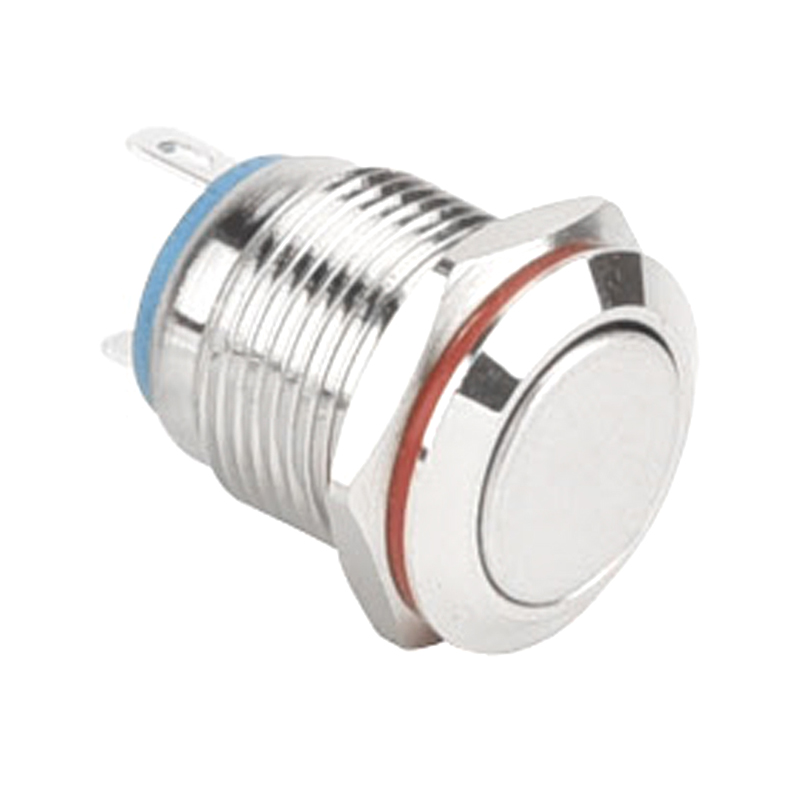
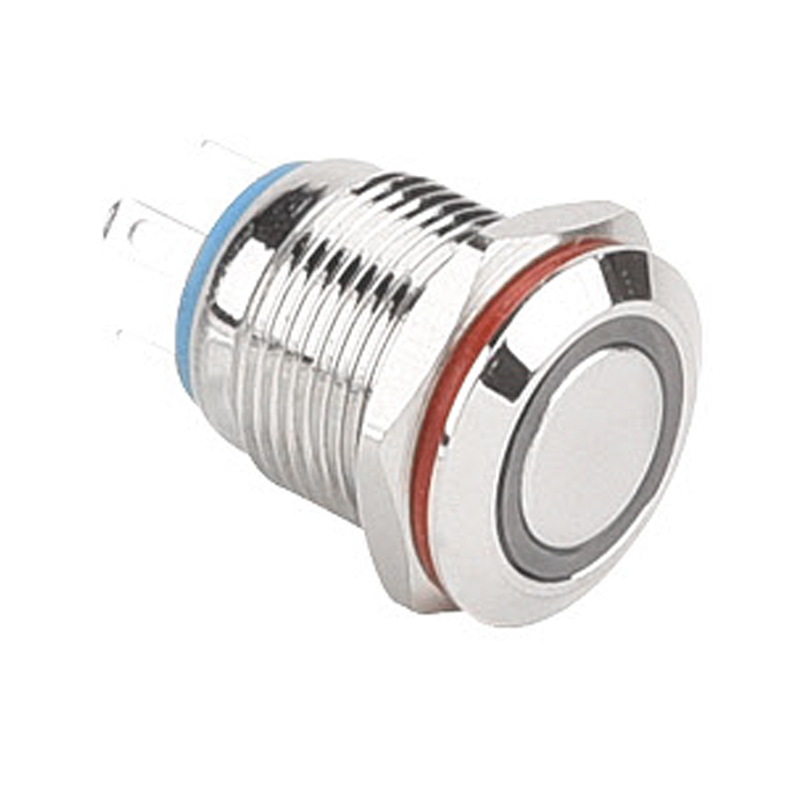
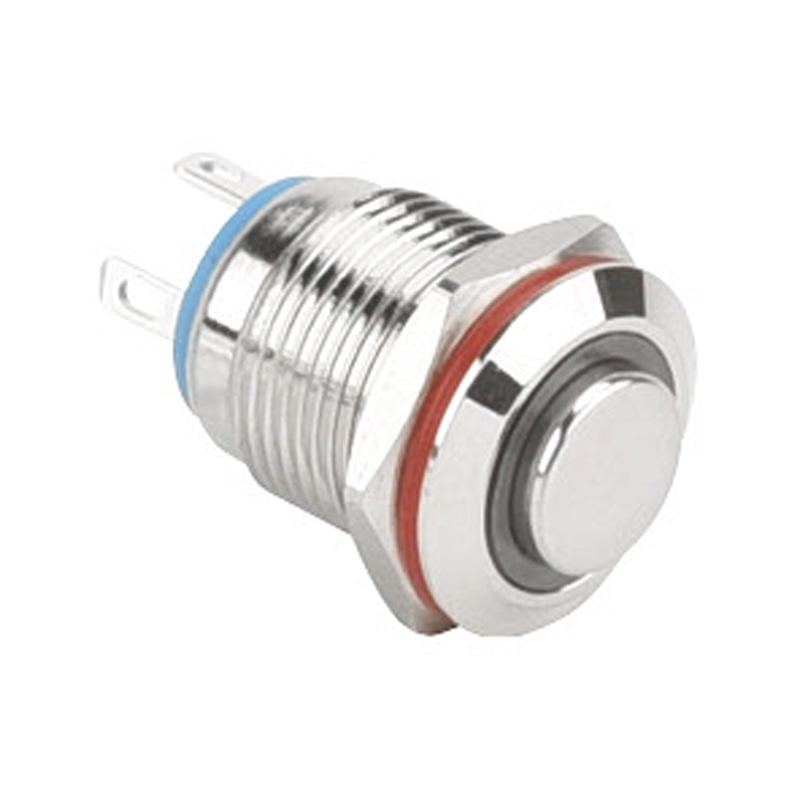
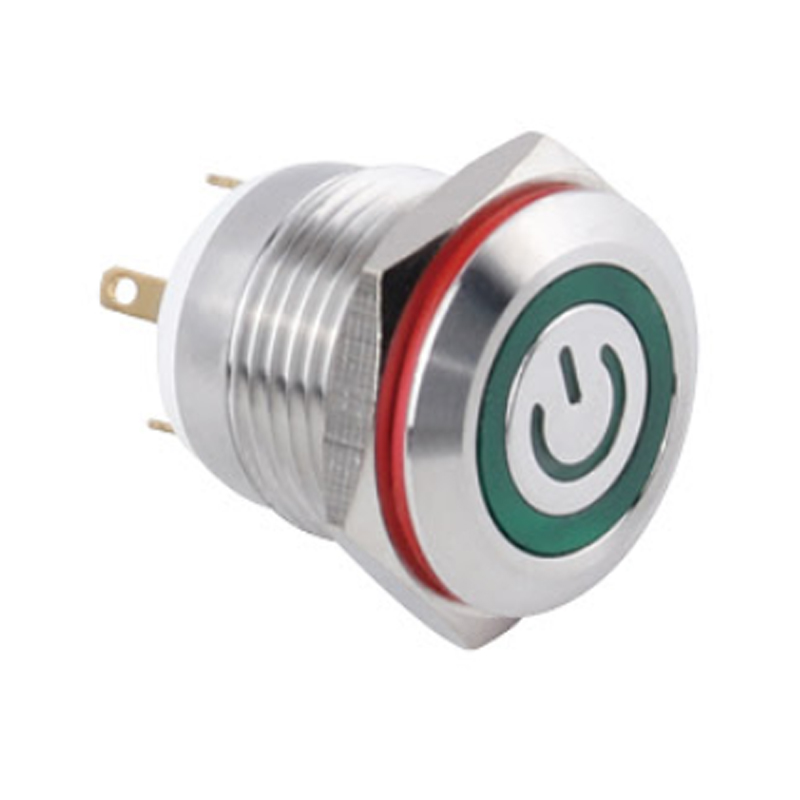
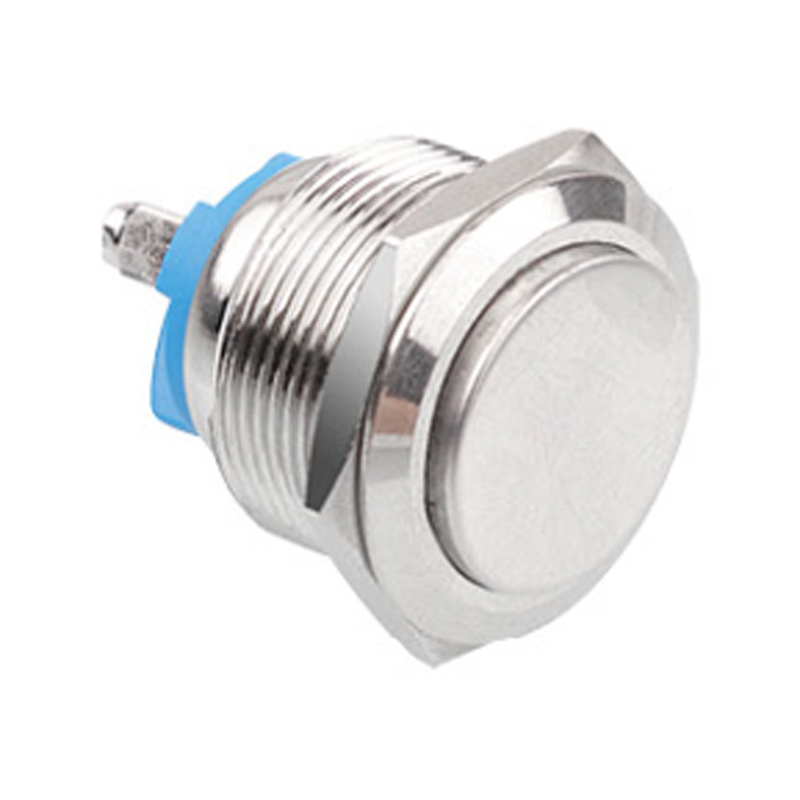
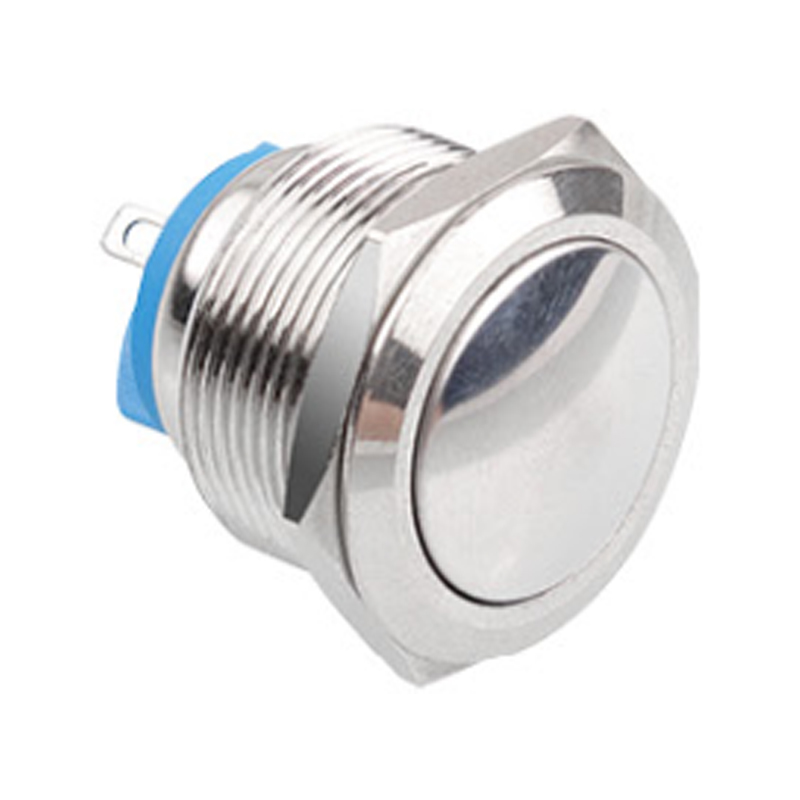
A Momentary Switch is defined by its operating principle: it only changes state while being physically actuated. Once released, it returns to its original position automatically. This behavior makes it suitable for commands that should not remain active without continuous user input.
Common examples include jog controls, reset buttons, or manual overrides. In these cases, the system should respond only while the operator is intentionally pressing the switch. This reduces the chance of unintended continuous motion or repeated actions after the operator steps away.
From a circuit design perspective, momentary switches are often paired with relays, timers, or programmable controllers that interpret short signals. Contact type selection—normally open or normally closed—depends on whether the action initiates or interrupts a process. Mechanical life and actuation force also play a role, especially in applications with frequent use. Choosing a momentary switch without considering usage frequency can cause premature wear or inconsistent feedback for the operator.
What Is the Role of a Selector Switch or Mode Selector?
A Selector Switch, also called a Mode Selector, allows users to choose between predefined operating states. Unlike momentary switches, selector switches usually have maintained positions, meaning the selected mode stays active until deliberately changed.
Typical applications include selecting automatic or manual operation, choosing speed ranges, or switching between process stages. The switch positions are often labeled clearly on the panel to avoid ambiguity, and mechanical detents help provide tactile confirmation of each selection.
One important consideration is the number of positions and contact combinations. A multi-position mode selector may control several circuits simultaneously, depending on its internal cam structure. This makes it possible to coordinate multiple signals with a single user action. However, improper wiring or unclear labeling can cause confusion, especially during troubleshooting.
Another factor is whether the selector includes a key mechanism. In some systems, a key-operated mode selector restricts access to certain modes, such as maintenance or setup, adding functional overlap with power lock concepts while still focusing on mode control rather than power isolation.
How Should These Switches Work Together in Practice?
Each of these switch types addresses a different question: who can operate the system, how long an action should last, and which mode the system should follow. Using them together creates a structured interface where authority, intent, and system behavior are clearly separated.
For example, a key switch may enable the control circuit, a selector switch defines the operating mode, and a momentary switch triggers specific actions within that mode. This layered approach reduces operator error and simplifies training, as each control has a clearly defined purpose.
Practical Takeaways for System Designers and Users
Viewed as a group, these switches are less about hardware variety and more about human interaction with machines. Key Switch/Power Lock devices manage permission, Momentary Switches manage intent, and Selector Switch/Mode Selector units manage system state. When each is selected based on function rather than habit, control panels become easier to understand and safer to use. Over time, this clarity supports smoother operation, quicker fault diagnosis, and more predictable machine behavior without adding unnecessary complexity.


 русский
 Español